
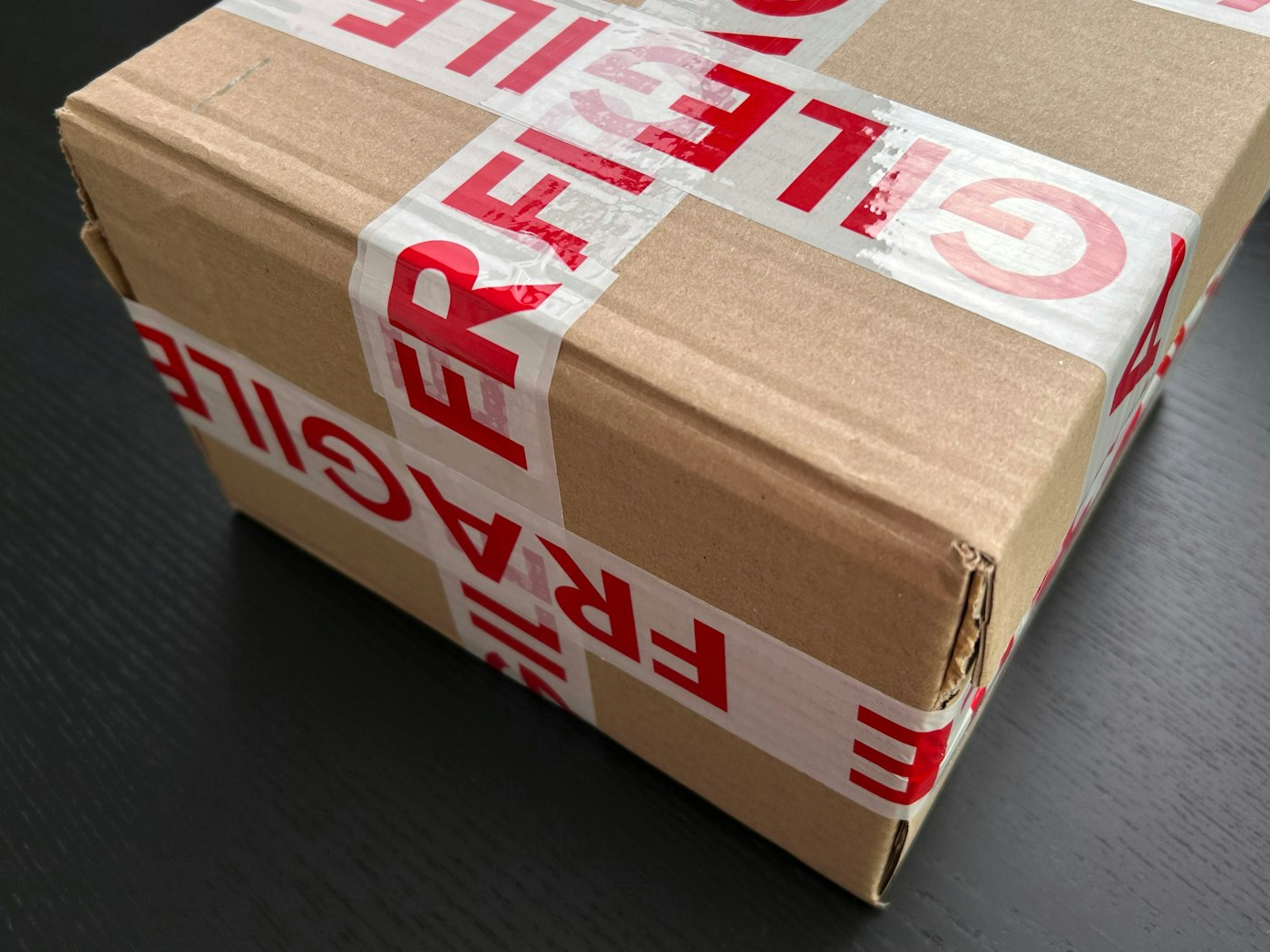
Every moving company has a list of items it will not put on the truck. The lists vary, but the reasons are consistent: some things can catch fire, leak, explode or spoil, and others are too valuable or too personal to trust to a crowded trailer. Sorting these items out early saves a scramble on moving day, when the crew may simply leave them behind.
Hazardous materials
Most movers will not transport flammable, corrosive or explosive items. Common examples include:
- Gasoline, kerosene, lighter fluid and propane tanks, including grill tanks
- Paint thinners, solvents and many oil-based paints
- Pool chemicals, bleach and strong cleaning products
- Fertilizers, pesticides and weed killers
- Aerosol cans, fireworks and matches
- Car batteries and some other types of batteries
Drain fuel from lawn mowers, trimmers and other small engines before the move, following the manufacturer’s instructions. Ask your mover for its complete list, since many also restrict items such as ammunition and certain compressed gas cylinders.
Food and living things
Perishable food rarely survives a moving truck, especially in summer, and many movers will not take it. Plan meals so the refrigerator and freezer are nearly empty by moving day, and consider donating unopened pantry items to a local food bank. Houseplants and pets need to travel with you in a climate-controlled vehicle, never in the back of a truck.
Things that should stay with you
Some items are allowed on the truck but are better carried personally. Keep these in your car or in a bag that never leaves your side:
- Medications and medical supplies
- Passports, birth certificates, Social Security cards and other identification
- Closing documents, loan paperwork and insurance policies
- Cash, jewelry, laptops, external drives and family photos
- Keys, chargers and anything you need on the first night
Disposing of what you leave behind
Do not pour chemicals down the drain or set them out with the trash. Many cities and counties run household hazardous waste programs, either at a permanent drop-off site or on collection days, that accept paint, chemicals, batteries and electronics. Check your local government’s website for the rules where you live. Some retailers take back certain batteries and used motor oil, and unopened paint or cleaning supplies may be welcome at a neighbor’s house or a community reuse center.
If you are moving yourself, the same cautions apply. A closed truck or car in summer heat is no place for a leaking gas can or a loose propane cylinder. If you must transport one, follow the label and the supplier’s guidance, keep it secured upright and never leave it in a hot, closed vehicle.
Start early
Go through the garage, the shed and the cabinet under the kitchen sink a few weeks before the move. Those are the places hazardous items hide. With a little planning, nothing on the do-not-load list surprises you on moving day.
A Sorting Plan for the Weeks Before Your Move
Breaking the work into small steps keeps restricted items from piling up at the last minute.
Four weeks out
- Ask your mover for its full list of restricted and prohibited items.
- Walk through the garage, shed, laundry room and under the sinks with a box and a notepad.
- Separate items into three groups: take with you in your car, give away, and dispose of properly.
- Look up your county’s household hazardous waste drop-off schedule.
Two weeks out
- Use up or give away cleaning products, fertilizers and pool chemicals you do not want to move.
- Plan meals around what is in the freezer and pantry.
- Arrange to drop off hazardous waste or attend a collection day.
- Prepare a list of what you will move personally, including medications and documents.
Moving week
- Drain fuel from small engines according to the manufacturer’s directions.
- Disconnect and empty propane tanks from grills, and arrange for safe transport or exchange.
- Pack a “keep with me” bag and put it in your car before the movers arrive.
- Empty and clean the refrigerator and freezer.
Mistakes That Cause Moving-Day Trouble
- Hiding restricted items in boxes. Packing a can of lighter fluid among kitchen items puts the whole load at risk and may violate your moving agreement.
- Forgetting the outdoor items. Grills, lawn equipment and pool supplies are common sources of restricted items.
- Leaving the document bag on the truck. Closing documents and identification are needed right away and are hard to replace.
- Disposing of chemicals improperly. Pouring products down drains or into the yard can harm people, pets and the environment.
- Packing medications too deep. Keep them within reach, especially if a move takes more than one day.
Questions Readers Ask About Restricted Items
Will movers take an empty propane tank?
Policies vary. Some movers refuse all propane tanks, empty or not. Ask your mover directly, and consider exchanging the tank at a retailer near your new home.
Can I move a gas-powered lawn mower?
Many movers will take a mower or other small engine equipment once fuel and oil have been drained according to the manufacturer’s instructions. Confirm with your mover first.
What about alcohol, such as wine?
Some movers transport it, while others have restrictions, especially for long-distance or interstate moves. Ask about the rules and about how heat may affect bottles in a summer truck.
Can I bring a houseplant across state lines?
Some states have agricultural rules about bringing in plants. Check with the agriculture department in your new state before packing plants for a long-distance move.
How should I move important documents safely?
Gather passports, birth certificates, Social Security cards, titles, closing documents and insurance policies into one folder or a small lockable box. Keep it in your vehicle and never leave it unattended in a parked car. Scanning key documents before the move gives you a backup if anything is misplaced.
What if the movers find a restricted item on moving day?
They may refuse to load it, and the crew may need to wait while you decide what to do with it, which can add time to the job. Setting aside a clearly labeled area for items that will travel with you or be disposed of keeps the crew from picking them up by mistake.
Are there items movers carry but do not insure fully?
Many moving agreements limit the mover’s liability for high-value items such as jewelry, collectibles or cash. Read your agreement and ask about valuation options before the move, and keep irreplaceable items with you whenever possible.


