
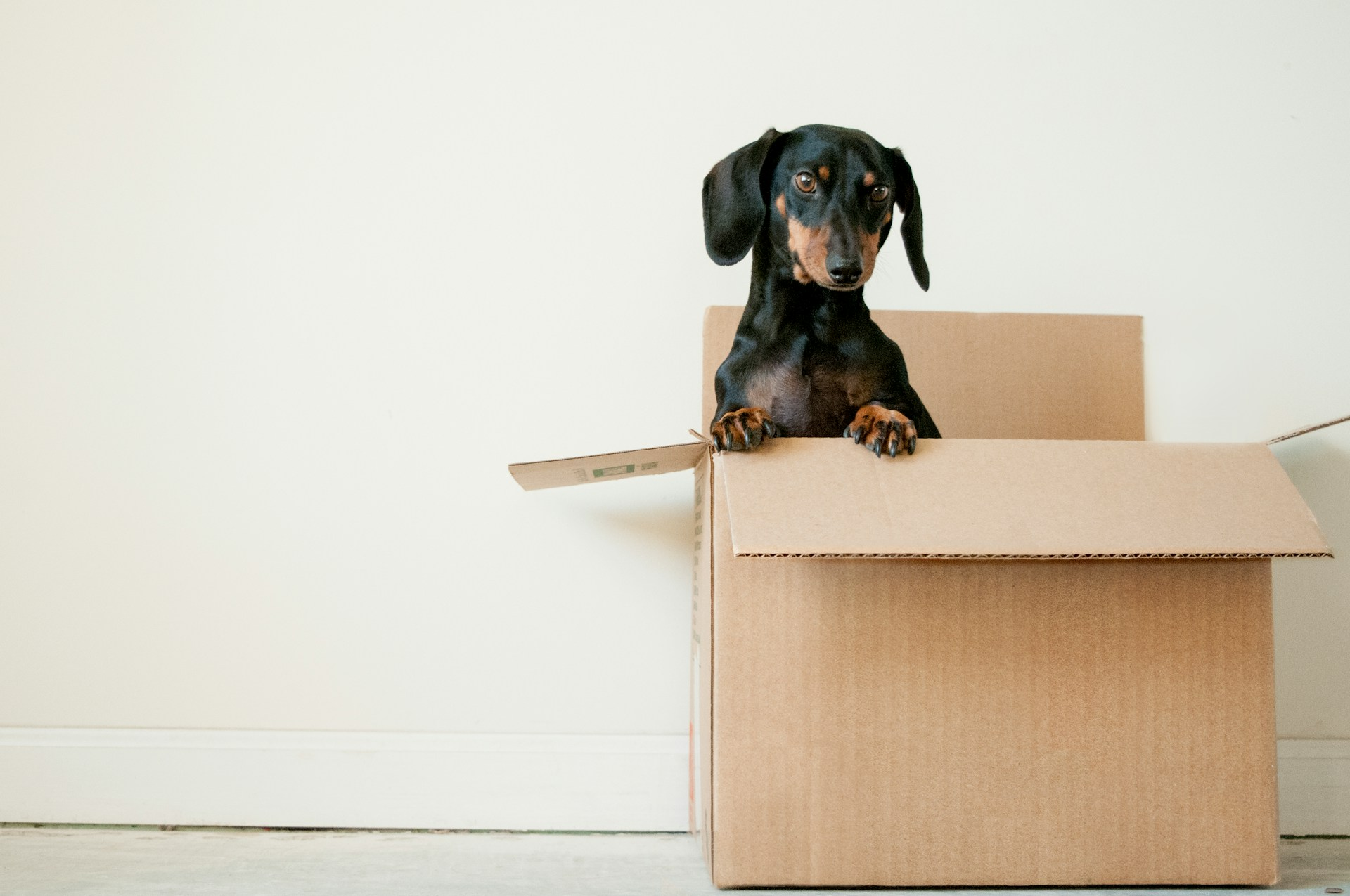
Summer is a popular time to move, with school out, long days and generally dry roads. It is also hot, sometimes dangerously so. Heat affects the people doing the lifting, the pets along for the ride and many of the things you own. A few adjustments to your plan make a summer move safer and easier on everyone.
Schedule around the heat
Start as early in the morning as you can, when temperatures are lowest, and aim to finish the heaviest lifting before the hottest part of the afternoon. If you are hiring movers, ask for an early arrival time, and book well in advance, since summer dates fill quickly. Check the forecast a few days ahead and have a backup plan for storms. Arrange for the power to be on and the air conditioning running at the new home before moving day, so there is a cool place to rest and unpack.
Keep people safe
Heat-related illness is a real risk during a long day of lifting. Keep plenty of cold water and electrolyte drinks on hand for everyone, including professional movers. Take regular breaks in the shade or air conditioning. Wear light, breathable clothing, a hat, sunscreen and sturdy shoes. Learn the warning signs of heat exhaustion, such as heavy sweating, dizziness, nausea and headache, and stop to cool down if anyone feels unwell. Heat stroke is a medical emergency, so call 911 if someone becomes confused, faints or seems seriously ill. Young children, older adults and people with certain health conditions are more vulnerable to heat, so keep them away from the hardest work and in cool spaces, and talk to a doctor ahead of time if you have concerns about exertion in hot weather.
Protect heat-sensitive belongings
A closed moving truck or storage unit can get very hot in summer, and some items do not handle that well:
- Electronics, computers and batteries
- Medications, which should travel with you rather than on the truck
- Candles, crayons and anything else made of wax
- Photographs, important documents and artwork
- Vinyl records, film and certain musical instruments
- Houseplants, which may not survive a long, hot ride
- Food, cleaning products and aerosol cans, some of which movers may not transport
Move these items in your air-conditioned car when possible, and ask your movers about anything they cannot carry.
Keep pets safe and calm
Moving day is chaotic for pets, with open doors, strangers and noise. Consider boarding them or having a friend care for them for the day. If they must be at home, keep them in a quiet, cool room with water and a clear sign on the door. Never leave a pet in a parked car in warm weather, even with the windows cracked, since the interior can heat up quickly and dangerously. For long drives, plan stops, bring water and keep pets in secure carriers or harnesses. Make sure their ID tags and microchip records list your new address and phone number.
Pack a cool-down kit
Keep a cooler with water and snacks, plus sunscreen, a first aid kit, towels and a small fan, in your car. Pack a first-night box with essentials so you can rest after a long day. With planning, a summer move can be a hot day’s work rather than a dangerous one.
A Moving-Day Timeline Built Around the Heat
Organizing the day by temperature rather than by convenience can make a big difference. Here is one way to structure a summer moving day.
The evening before
- Fill a cooler with water, electrolyte drinks and easy snacks, and freeze a few water bottles to use as ice packs.
- Load heat-sensitive items, medications and important documents into your car, or set them aside so they do not end up on the truck.
- Confirm the arrival time with your movers or helpers and review the forecast one more time.
- Set the pets’ supplies aside: food, bowls, leashes, carriers, bedding and any medications.
Early morning
- Start loading the heaviest furniture and boxes first, while it is coolest.
- Prop doors open only when needed and keep pets secured away from the action.
- Keep the air conditioning running in at least one room at the old home as a cool-down space.
Midday
- Plan a longer break in air conditioning, with water and food.
- Shift lighter work, such as carrying small boxes or cleaning, to the hottest hours.
- Check on helpers regularly, especially anyone who seems unusually tired.
Afternoon and evening
- Unload into the new home, starting with large furniture so rooms can be arranged before boxes arrive.
- Set up beds and the first-night box before anything else.
- Bring pets in once doors can stay closed and a quiet room is ready.
Mistakes That Make a Hot Move Harder
- Waiting until afternoon to start. A late start pushes the hardest work into the hottest part of the day.
- Running out of water. A long move uses more water than most people expect. Plan generously and refill as you go.
- Forgetting the new home’s utilities. Arriving to a house with no power means no air conditioning, no lights and no refrigerator.
- Leaving items in the car. A parked car can get very hot, quickly. Do not leave medications, electronics, food or pets inside while you unload.
- Pushing through warning signs. Dizziness, nausea or confusion are signals to stop and cool down, not to finish one more load.
Questions Readers Ask About Summer Moves
Should I offer drinks and food to professional movers?
Many movers bring their own supplies, but offering cold water and a place to take a break in the shade or air conditioning is a kind gesture, especially on a very hot day.
How do I keep a refrigerator from getting warm during a move?
Use up perishables before moving day and pack anything you keep in coolers with ice. Follow the manufacturer’s guidance about how long to wait before plugging in a refrigerator after it has been moved.
Can I move houseplants in a hot car?
Plants can handle short trips in an air-conditioned car. For longer drives, keep them out of direct sun, water them before the trip and bring them inside promptly at each stop.
What should I do if a pet seems overheated?
Move the pet to a cool area, offer water and contact a veterinarian right away. Heat stress in animals can become serious quickly, so it is best not to wait.


