
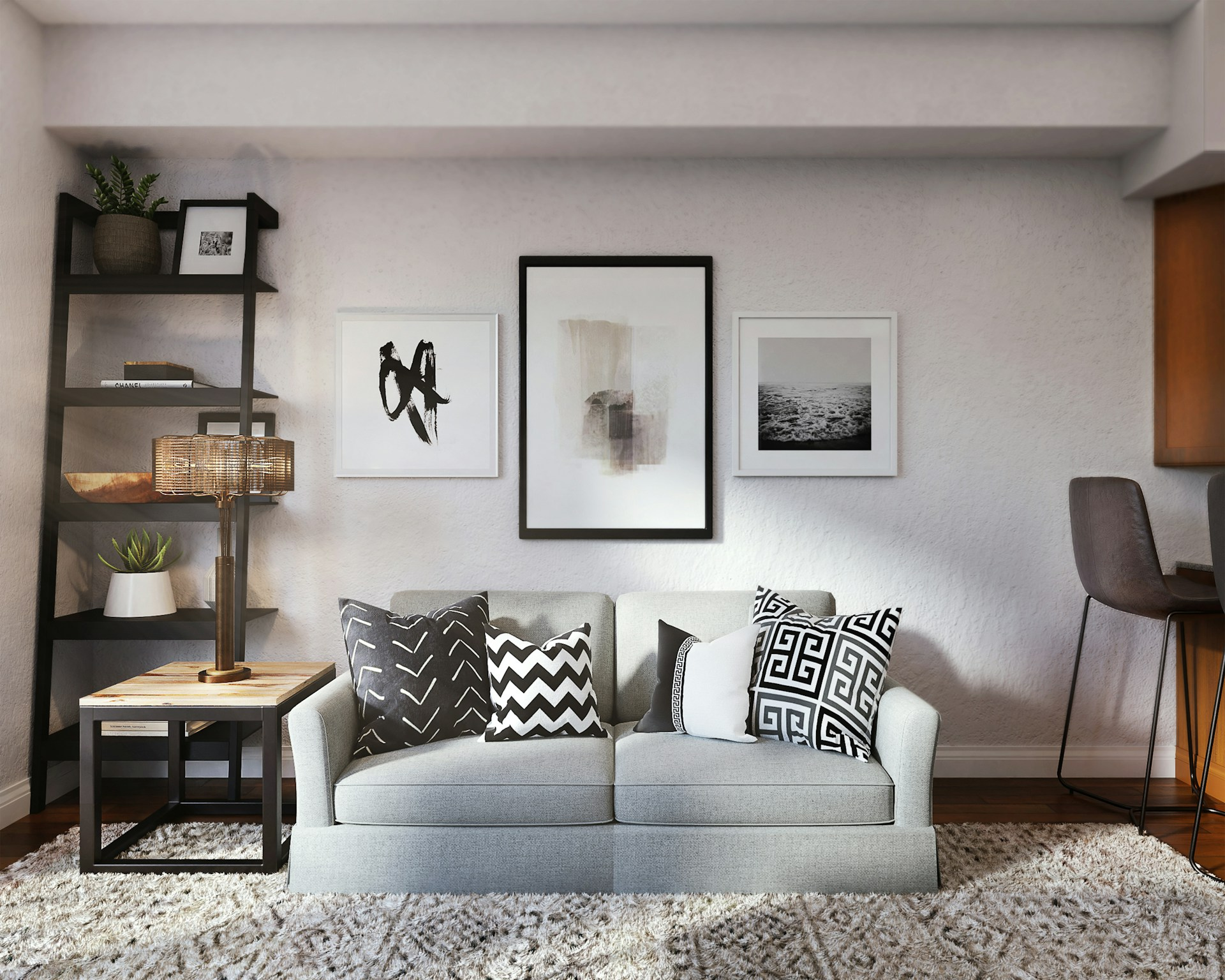
Moving from an apartment into your first house often comes with a surprise: suddenly there are more rooms than furniture. The urge to fill every space right away is strong, especially with stores advertising summer sales. But a first home brings plenty of new expenses, and furnishing it gradually usually leads to better choices and a healthier budget.
Wait until after closing
The most important rule is about timing. Before closing, avoid financing furniture or opening new store credit cards, and avoid large purchases that drain your savings. Lenders often review your credit and finances again shortly before closing, and new debt or a drop in your cash reserves can cause problems with your loan. Window-shop all you like, but buy after you have the keys, and ideally after your first mortgage payment is on the calendar.
Prioritize the essentials
Focus first on the things that make daily life work:
- Sleep: comfortable beds and bedding for everyone in the household.
- Window coverings: for privacy and to manage summer heat and light, especially in bedrooms and rooms facing the street.
- A place to eat: a table and chairs, even simple ones.
- A place to sit: seating in the main living area.
- Basic storage: shelving or bins for closets, the garage and the pantry, so boxes do not linger for months.
- Household tools and supplies: a ladder, basic tools, cleaning supplies and a fire extinguisher.
Formal dining rooms, guest rooms and decorative pieces can wait until you know how you use the house.
Live in the space first
Spending a few weeks or months in your new home teaches you things no floor plan can. You will learn where the light falls, which room you actually gather in, where clutter collects and how people move through the house. A sofa that seemed perfect in the store may block a doorway you use all the time. Living in the space first helps you buy pieces that fit how you live, not how you imagined you would. Measure rooms, doorways and stairways before buying anything large, and keep those measurements on your phone for shopping trips.
Stretch your budget wisely
Set a monthly furnishing budget that fits alongside your mortgage, utilities, maintenance savings and emergency fund. Consider a mix of new and secondhand: estate sales, consignment shops, online marketplaces and hand-me-downs from family can provide sturdy pieces for far less than new. Solid wood furniture can often be refinished or painted. Spend more on items you use daily and that affect comfort, like a mattress or a sofa, and save on decorative pieces you may want to change later.
Enjoy the process
Furnishing a home over time can be one of the most satisfying parts of ownership. Each piece becomes a decision you made for the space, rather than a rushed purchase to fill a void. An empty room is not a problem to solve tomorrow; it is an opportunity to get right. If you have questions about balancing purchases against your other financial goals, a financial advisor can help you build a plan.
A First-Year Furnishing Timeline
Spacing purchases across the first year keeps spending manageable and gives you time to learn the house. One possible rhythm:
Move-in week
- Beds and bedding, window coverings for bedrooms and street-facing rooms, and the basics for cooking and eating.
- Shower curtains, towels, cleaning supplies and a working set of tools.
The first month
- Seating for the main living area, if you did not bring any.
- Lamps for rooms that lack overhead lighting.
- Storage for the entry, such as hooks, a bench or a shoe rack, so daily clutter has a home.
Months two to six
- Rugs, once you know where furniture will live.
- Closet and garage organization, once you see what actually needs storing.
- Outdoor furniture for the deck or patio, ideally timed with end-of-season sales.
Later in the year
- Guest room furniture, formal dining pieces and artwork.
- Upgrades to pieces you bought as temporary placeholders.
Smart Shopping Habits
A few habits help you avoid regret and get more for your money:
- Keep a running wish list. Write down what each room needs and the measurements. When you see a sale, you will know immediately whether something fits.
- Check return policies. Large items can be costly or difficult to return. Know the rules before buying.
- Inspect secondhand pieces. Look at joints, drawers and upholstery. Be cautious with used mattresses and upholstered furniture, which can harbor pests.
- Test before you buy. Sit on sofas and chairs, open drawers and check stability in person when you can.
- Measure the path. Make sure a large piece fits through doors, hallways and stairwells, not just the room.
- Avoid high-interest financing. Promotional financing can be useful, but missing a payoff deadline may trigger significant interest. Read the terms carefully.
Making a Sparse Room Feel Finished
A room does not need to be full to feel welcoming. While you furnish gradually, a few inexpensive touches can make a sparse space feel intentional rather than unfinished:
- Anchor the room with one good piece. A comfortable sofa or a well-made dining table gives a room a center, and everything else can be added around it.
- Use light. A floor lamp in a corner and a table lamp beside a chair make a room feel warmer at night than an overhead fixture alone.
- Add soft textures. Curtains, a throw and a few pillows soften echoes and make rooms more comfortable.
- Bring in plants. A healthy plant or two adds life to an empty corner for very little cost.
- Lean art instead of hanging it. Propping frames on a shelf or mantel lets you rearrange freely before committing to nail holes.
Mistakes First-Time Owners Make
- Buying sets. Matching living room or bedroom sets fill a room quickly, but they can limit flexibility. Mixing pieces over time often creates a more personal look.
- Oversizing furniture. A large sectional can overwhelm a modest room. Leave space to move comfortably.
- Neglecting lighting. Many homes rely on a single overhead light in living spaces. Lamps make rooms more comfortable and are easy to add.
- Forgetting maintenance savings. Furniture purchases should not crowd out money set aside for repairs.
Questions New Owners Ask
Is it okay to leave rooms empty for a while?
Absolutely. An empty room can serve as a play space, a workout area or simply breathing room until you know what you want.
What is worth splurging on?
Items you use daily, such as a mattress, a good sofa and a comfortable desk chair, often justify spending more.
Should I buy furniture for the house I hope to have later?
Buy for the house you live in now, with an eye toward flexibility. Pieces that work in several rooms, such as a simple bookcase, a versatile dresser or a dining table that seats more when extended, tend to move well from one home to the next.


