
If you can arrange even a few days between closing and moving in, you have a valuable window. An empty house is a blank canvas: no furniture to shift, no boxes to work around, no need to keep a kitchen running while floors dry. Certain projects are dramatically easier, faster and less disruptive now than they will ever be again.
Paint and walls
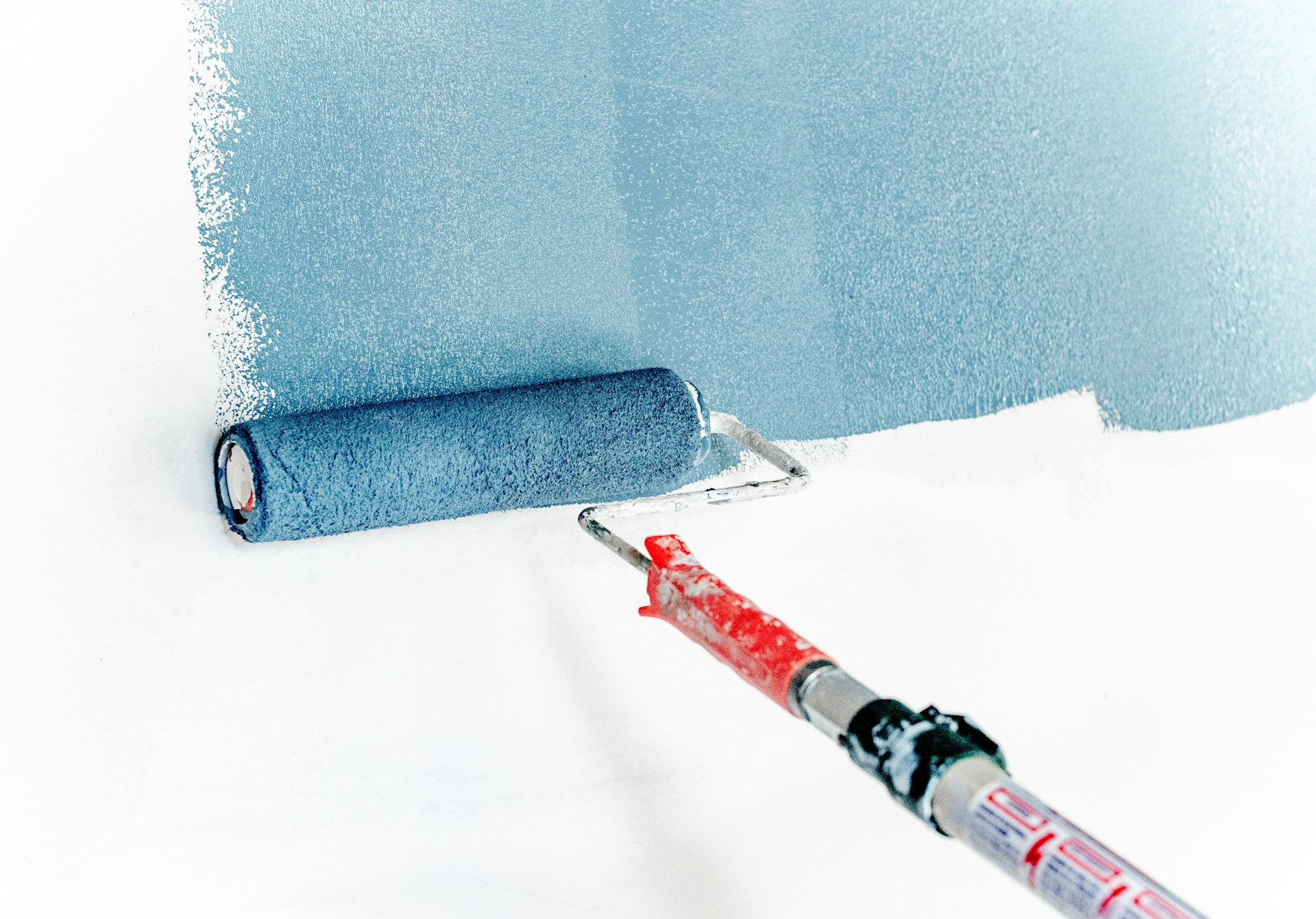
Painting is the classic empty-house project. Without furniture, you can roll walls quickly, paint ceilings and trim and let everything dry without anyone brushing against it. It is also the easiest time to patch holes, repair damaged drywall and remove wallpaper. If you are hiring painters, scheduling them for this window can save time compared with working around a furnished home, and it spares you the job of moving everything to the middle of each room.
Floors
Refinishing hardwood floors, replacing carpet or installing new flooring is far easier in an empty house. Many floor finishes need time to cure before furniture can go back on them, and some produce odors that make it better to stay elsewhere for a while. Ask your flooring contractor how long you should wait before moving in, and plan your moving date around the answer rather than the other way around.
Deep cleaning and pest control
Even if the sellers left the home clean, a deep clean before move-in lets you start fresh. Clean inside cabinets and closets, wipe down baseboards, clean vent covers and wash windows. Shampoo any carpet you plan to keep. If you want a pest control treatment, an empty house makes every corner easy to reach. This is also a good time to have the dryer vent cleaned and the ductwork checked.
Small upgrades and installations
Other projects are much simpler before you unpack:
- Changing or rekeying locks and setting up smart devices under your own accounts
- Installing window coverings, curtain rods and blinds, which also help with summer heat
- Mounting televisions, shelves and wall-mounted storage
- Installing closet systems or garage storage
- Replacing light fixtures or switches, with a licensed electrician for any wiring work
- Testing or replacing smoke and carbon monoxide alarms
Planning the window
To make the most of the time, plan before closing. Get estimates and line up contractors in advance, since good tradespeople can book up in summer. Think about the order of work: messy jobs like drywall and painting usually come before flooring, and cleaning comes last. Keep expectations realistic, and focus on the projects that would be hardest to do later.
Two cautions. You do not own the home until closing is complete, so do not schedule work to begin before then. And protect your budget. New homeowners face plenty of expenses in the first months, and keeping a cushion for surprises matters more than finishing every project at once; a financial advisor can help you balance the two. With a little planning, the gap between closing and moving day becomes the best time to make the house feel like yours.
Sequencing the Work: A Sample Empty-House Plan
Getting the order right is what turns a short window into a productive one. Every house and schedule is different, but a typical sequence looks something like this.
- Closing day or the morning after: Change or rekey the exterior locks, test smoke and carbon monoxide alarms and walk the house with a notepad to confirm your project list.
- Early in the window: Tackle the dusty and messy jobs first, such as removing wallpaper, patching drywall, sanding and any electrical work that requires opening walls or ceilings.
- Next: Prime and paint ceilings, then walls, then trim. Working from the top down keeps drips off finished surfaces.
- After painting: Refinish or install flooring, so new floors are not exposed to ladders, paint and drop cloths. Allow the full cure time your contractor recommends.
- Toward the end: Install window coverings, closet systems, shelves and mounted televisions.
- Last: Deep clean everything, including vents, windowsills and inside cabinets, so you move into a truly fresh space.
If your window is only a day or two, pick the one or two projects on this list that would be hardest to do later. For many people, that means painting the bedrooms and installing blinds, since those rooms fill up first and stay full.
Mistakes to Avoid in the Empty-House Window
- Overbooking contractors. Having painters, flooring installers and cleaners on site at the same time can slow everyone down. Stagger the work and confirm each trade’s timeline.
- Skipping measurements. Measure doorways, stairwells and rooms before you buy new furniture or appliances. An empty house is the easiest place to take accurate measurements.
- Forgetting ventilation. Paint and floor finishes can release fumes. Open windows when weather allows, run exhaust fans and follow product instructions on drying and cure times.
- Not documenting the home. Before work begins, take photos of every room. They help with insurance records and give you a baseline if a contractor’s work causes damage.
- Losing track of keys and access. If several contractors need to get in, consider a lockbox or smart lock with temporary codes, and change those codes once the work is done.
Questions New Owners Ask About Pre-Move-In Projects
How much time should I leave between closing and moving?
That depends on your projects and your budget for overlapping housing costs. A few days can cover painting and cleaning. Flooring work may need more time for installation and curing. Ask each contractor for a realistic timeline before setting your moving date.
Can I store my belongings in the garage while I work?
Many people do, but keep the garage clear enough for contractors to bring in materials and tools. Cover boxes to protect them from dust, and keep anything sensitive to heat out of a hot summer garage.
Do I need permits for these projects?
Painting and cleaning usually do not, but electrical, plumbing and some structural work often do. Check with your local building department and hire licensed professionals where required.
Is it worth hiring a professional cleaner if I plan to clean myself?
That is a personal choice. Some new owners hire a cleaner for the deep work, such as vents, windows and appliances, and handle lighter cleaning themselves after the move.
What if a project runs past my moving date?
Talk with the contractor about which rooms can be finished first. Many people move into the completed rooms and keep belongings boxed and covered in the others until the work wraps up, which keeps dust and paint away from furniture.


