
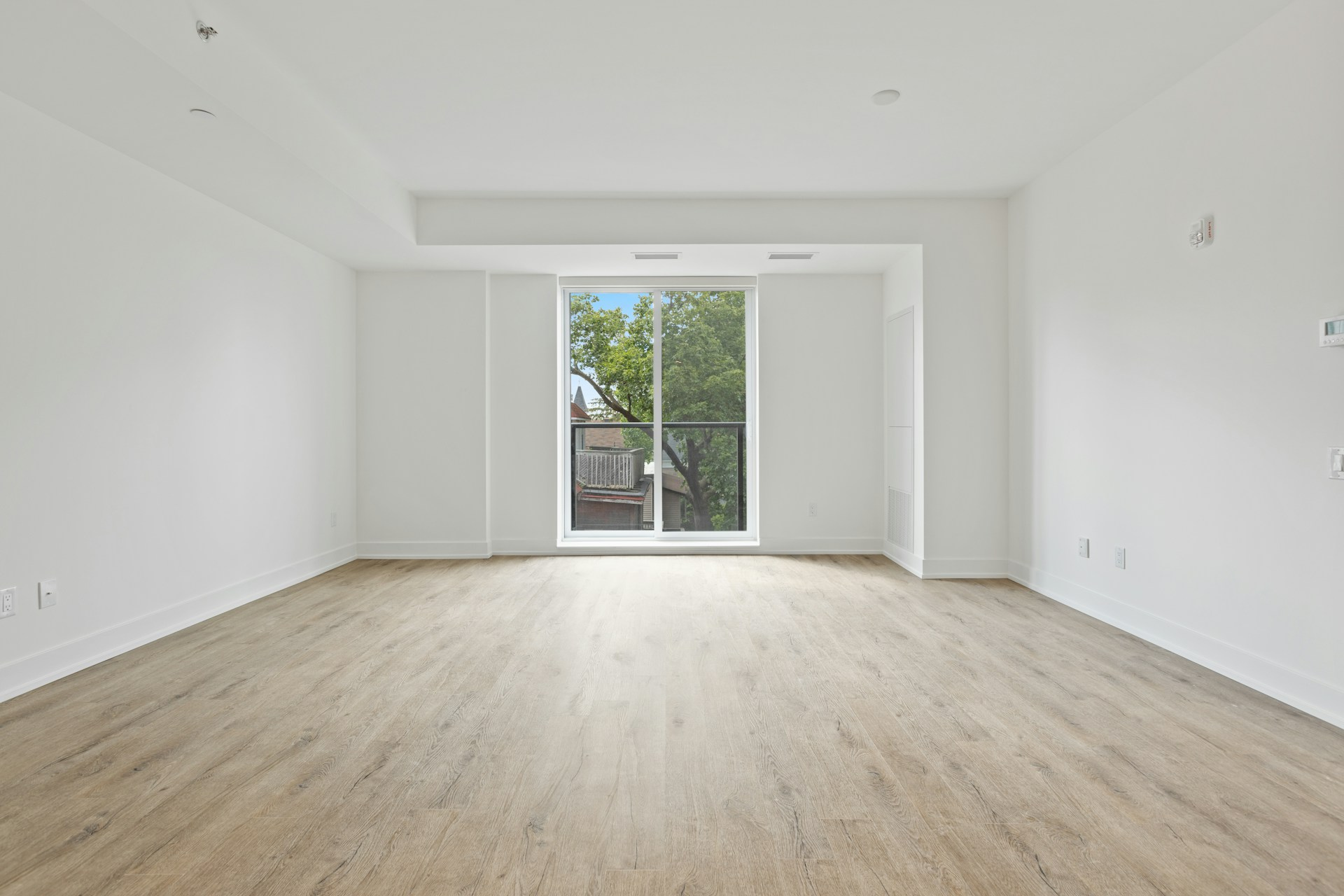
Summer relocations often happen faster than home sales. A new job starts, the household moves and the old house is left on the market, empty. Selling a vacant home has advantages: showings are easy to schedule, and buyers can see the space without your belongings in the way. It also brings responsibilities, especially when you are managing it from another city.
Check your insurance first
Many homeowners policies treat vacant homes differently from occupied ones. Coverage for some types of loss may be limited once a home has been vacant for a certain period, and some insurers require you to notify them or add a vacancy endorsement. Call your insurance agent before you move out, explain the situation and ask what coverage you need. That single call can prevent an unpleasant surprise if something goes wrong.
Keep the house running
An empty house still needs care:
- Keep the electricity, water and gas on so buyers, inspectors and appraisers can evaluate everything.
- Set the thermostat to protect the house from heat and humidity. A home closed up in summer with no cooling can develop musty odors or moisture problems.
- Keep the lawn mowed, beds weeded and plants watered. A neglected yard signals an uncared-for home.
- Forward your mail and stop any deliveries.
- Have someone run faucets and flush toilets now and then, since dry drain traps can let sewer odors into the house.
Arrange regular check-ins
Ask a trusted neighbor, friend or local property service to visit regularly, walk through the house and report back. They should look for leaks, pests, storm damage, open windows or anything out of place, and a quick check after every storm is especially important. Your agent may notice issues during showings, but someone specifically responsible for the house is better. Lights on timers and a monitored security system add peace of mind.
Help buyers picture living there
Empty rooms can feel smaller and colder than furnished ones, and flaws like scuffed walls and worn floors stand out. Consider:
- A thorough professional cleaning after you move out, including windows and floors
- Touch-up painting and the small repairs that missing furniture now reveals
- Staging key rooms, such as the living room and primary bedroom, with rented or borrowed furniture
- Virtual staging in listing photos, clearly labeled as such, so buyers can see the possibilities
Ask your agent what tends to work best for homes like yours.
Managing the sale from afar
Ask your agent how they will keep you informed about showings, feedback and offers. Electronic signatures make most paperwork easy to handle remotely, and many closings can be completed without the seller present, depending on local practice. Ask your closing company early about remote signing options and requirements. Clear communication, a well-kept house and a realistic plan help a vacant home sell as smoothly as an occupied one.
A Move-Out Checklist for the Vacant Listing
The last day you spend in the house is your best chance to set it up for a smooth sale. Before you lock the door and drive away, work through a final list:
- Utilities: confirm that power, water and gas will stay on in your name through closing, and set up automatic payment so nothing lapses.
- Thermostat: set a temperature that controls heat and humidity, and consider a smart thermostat you can check from your phone.
- Water: know where the main shutoff is and make sure your check-in person does too.
- Keys and access: leave a key or lockbox access with your agent and a spare with your trusted contact.
- Manuals and records: leave appliance manuals, warranty information and your list of recent updates in a kitchen drawer for buyers and inspectors.
- Trash: empty all bins and arrange for collection so nothing sits in the garage.
- Refrigerator: empty it completely and clean it. If it stays with the home, leave it running with the doors closed; if you unplug it, prop the doors open to prevent odors.
- Photos: take date-stamped photos and video of every room and the exterior, which can help with insurance questions later.
A Simple Check-In Routine
Give your check-in person a short, consistent list so each visit covers the same ground. A visit might include:
- Walk around the exterior and look for storm damage, fallen limbs, open gates or anything unusual.
- Collect any flyers, packages or debris from the porch and driveway.
- Inside, look under sinks, around toilets and near the water heater for any sign of leaks.
- Check the thermostat and make sure the system is running.
- Run water briefly in each sink and tub, and flush toilets.
- Look for signs of pests, such as droppings or chewed materials.
- Make sure every door and window is locked before leaving.
- Send you a quick message, ideally with a photo or two.
Budgeting for a Home You No Longer Live In
Carrying a vacant home costs money, and it helps to plan for it rather than be surprised. Ongoing costs can include the mortgage, property taxes, insurance, utilities, lawn care, any check-in service, and staging or cleaning. Write down a monthly figure so you can make informed decisions about pricing and timing with your agent. Sometimes a modest price adjustment that sells the home sooner costs less than several more months of carrying it. A financial professional can help you think through the trade-offs for your situation.
Questions Sellers Ask
Should I leave any furniture behind for staging?
A few well-chosen pieces, such as a sofa and a dining table, can help buyers understand the space. Ask your agent which rooms would benefit most, and keep the pieces simple and clean.
Is it safe to leave a vacant home listed with a lockbox?
Lockboxes used by agents typically track access. Combine them with timers, a monitored security system and regular check-ins for added security.
How do I handle repairs requested after an inspection when I am far away?
Ask your agent for recommendations of local contractors, request written estimates and invoices, and arrange for someone to provide access. Photos and video from the contractor can help you confirm the work.
Should I tell my insurer when the home sells?
Yes. Keep your coverage in force through closing, then contact your insurer once the sale is complete to cancel the policy and ask about any refund of unused premium. Until that day, the house is still yours to protect, so keep the check-ins, utilities and insurance in place right to the end.


