
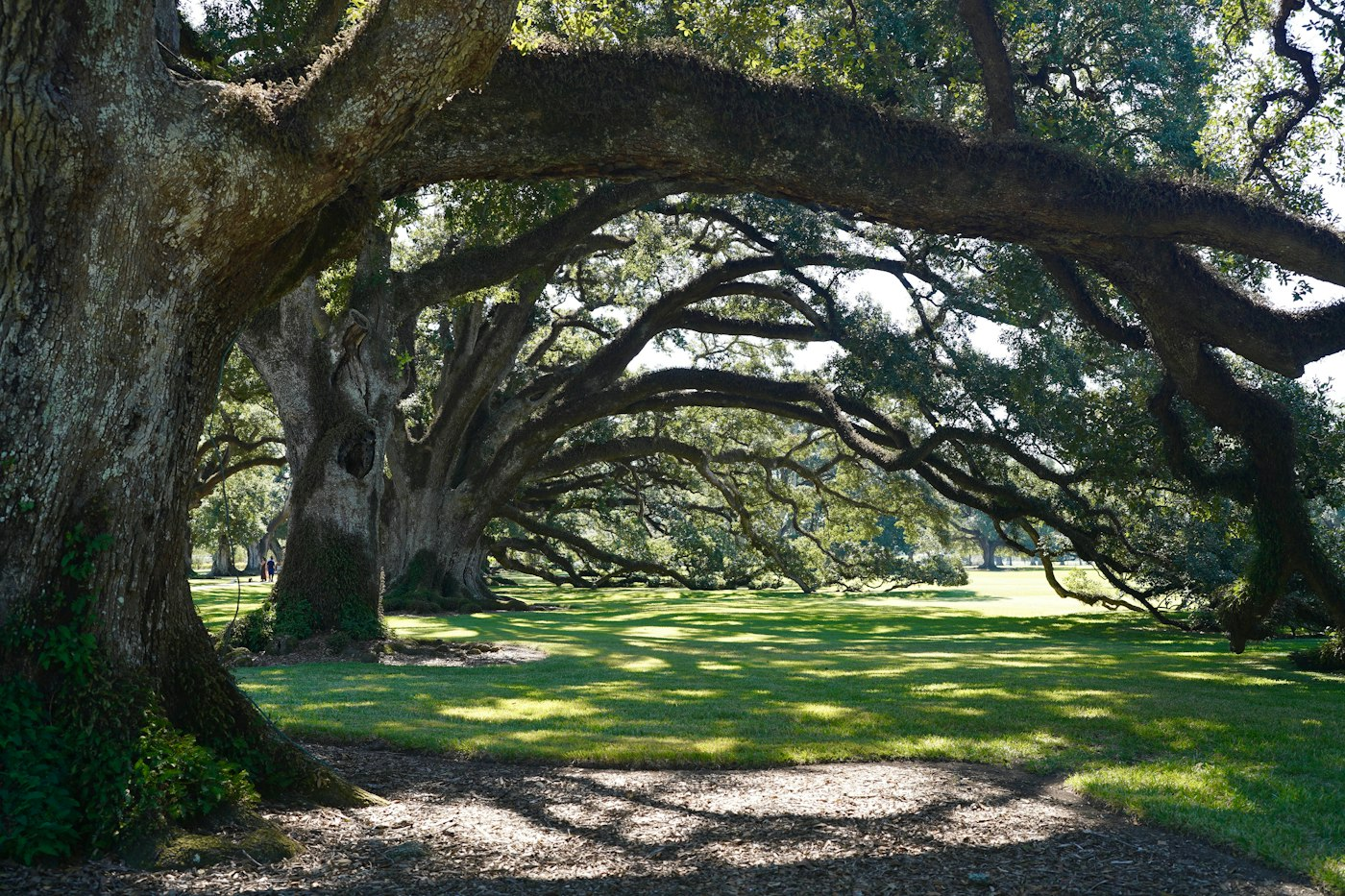
Few things make a property feel settled like a big, healthy tree. Mature trees shade a house on hot afternoons, frame the view from the street and give a yard a sense of permanence that new landscaping cannot match. They also bring practical questions, especially as summer storm season approaches. Here is how to look at trees with appreciation and a careful eye.
The benefits are real
Well-placed trees can shade windows and roofs in summer, which can help keep a home cooler. They provide privacy, soften street noise, support birds and wildlife and make outdoor spaces more inviting. Deciduous trees on the sunny side of a house can offer summer shade while letting more light through in winter after their leaves drop. It is perfectly reasonable to fall for a home partly because of its trees.
What to look at during a showing
Walk the yard and look up. Things worth noting include:
- Dead or broken limbs, especially those hanging over the roof, driveway or play areas
- Large cracks or splits in the trunk, or a trunk that leans noticeably
- Mushrooms or other fungus at the base, which can signal decay
- Bare sections of canopy during the growing season
- Roots lifting sidewalks, driveways or patios
- Branches touching the roof, siding or utility lines
Look at the gutters and roof as well. Heavy tree cover can mean more frequent gutter cleaning, and shaded roofs can be more prone to moss or algae in damp climates.
Trees, foundations and sewer lines
Large trees close to a house can raise questions about foundations and underground pipes. Roots seek water, and in older homes with certain types of sewer lines, roots can work their way into joints and cause blockages. If big trees stand between the house and the street, a sewer scope inspection may be worth considering. Your home inspector can comment on visible issues and recommend specialists if needed.
When to call an arborist
A home inspector is not a tree expert. If a large tree is close to the house, shows signs of decline or looks as if it could threaten the roof in a storm, consider having a certified arborist evaluate it during your inspection period. An arborist can assess the tree’s health and structure and recommend pruning, cabling or, in some cases, removal. Work on large trees can be a significant project, so knowing what is needed before closing helps you plan and, if necessary, negotiate.
Rules, neighbors and insurance
Some cities and counties regulate the removal of certain trees, especially large or protected species, and some HOAs have their own rules, so check before planning major tree work. Trees near property lines can raise questions about responsibility for branches and roots, which a survey and, if necessary, an attorney can help clarify. Finally, ask your insurance agent how your policy handles trees that fall during storms, since coverage often depends on what the tree damages and why it fell.
With a little care, a mature tree can be one of a property’s best long-term features.
A Tree Walk Checklist for Buyers
A short, deliberate walk around the property helps you size up its trees before you fall in love with the shade. Take your phone, photograph each large tree from a couple of angles and note the following:
- Distance from the house. Roughly how far is each large tree from the roof, the foundation and the driveway? A tree that could reach the house if it fell deserves closer attention.
- Lean and direction. Does the tree lean toward the house, a neighbor’s home or a power line?
- Trunk and base. Look for cavities, peeling bark in large patches, oozing sap, or soil heaving around the roots.
- Canopy health. Compare leaf color and density with similar trees nearby during the growing season.
- Recent changes. Fresh grading, a new driveway or construction near a tree can damage roots, and the effects may show up years later.
- Stumps and debris. Old stumps can hint at past removals, and piles of limbs can mean recent storm damage.
Seasonal Care for the Trees You Inherit
Once a property is yours, a little routine attention keeps its trees healthy and lowers the chance of storm damage:
Late winter
Many trees are dormant, which makes it a good time to see their structure clearly. It is often a good window for an arborist to recommend pruning of dead or crossing branches.
Spring
Watch how each tree leafs out. A tree that is slow or sparse compared with its neighbors may be stressed. Refresh mulch in a wide, shallow ring around the base, keeping it away from the trunk itself.
Summer
During dry spells, deep, occasional watering helps trees more than frequent light watering. Before storm season, check for limbs over the roof and clear gutters of leaves and twigs.
Fall
Leaf cleanup protects lawns and keeps gutters flowing. After big storms at any time of year, walk the property and look for cracked or hanging branches.
Mistakes New Owners Make With Trees
- “Volcano” mulching. Piling mulch high against the trunk traps moisture and can harm the bark.
- Topping trees. Cutting off the top of a tree to reduce its height can weaken it and lead to more hazardous regrowth. Ask an arborist about proper pruning.
- Changing the grade near roots. Adding fill soil or cutting into the root zone for a patio or driveway can damage a tree that took decades to grow.
- DIY work on large limbs. Removing large branches is dangerous work. Hire qualified, insured professionals, especially near power lines.
- Ignoring small problems. A dead branch is easier and cheaper to remove before it falls on something.
Questions Buyers Ask
Should I ask the seller to remove a tree?
If an arborist identifies a hazardous tree, asking for removal or a credit is a reasonable part of negotiation. For a healthy tree you simply do not like, it is usually better to handle it yourself after closing.
Who handles branches over power lines?
Utility companies often manage vegetation near their lines. Contact your electric provider rather than trying to trim near lines yourself.
Can I plant new trees to replace old ones?
Absolutely. Choose species suited to the site and plant them far enough from the house, driveway and utilities to allow for their mature size.


