
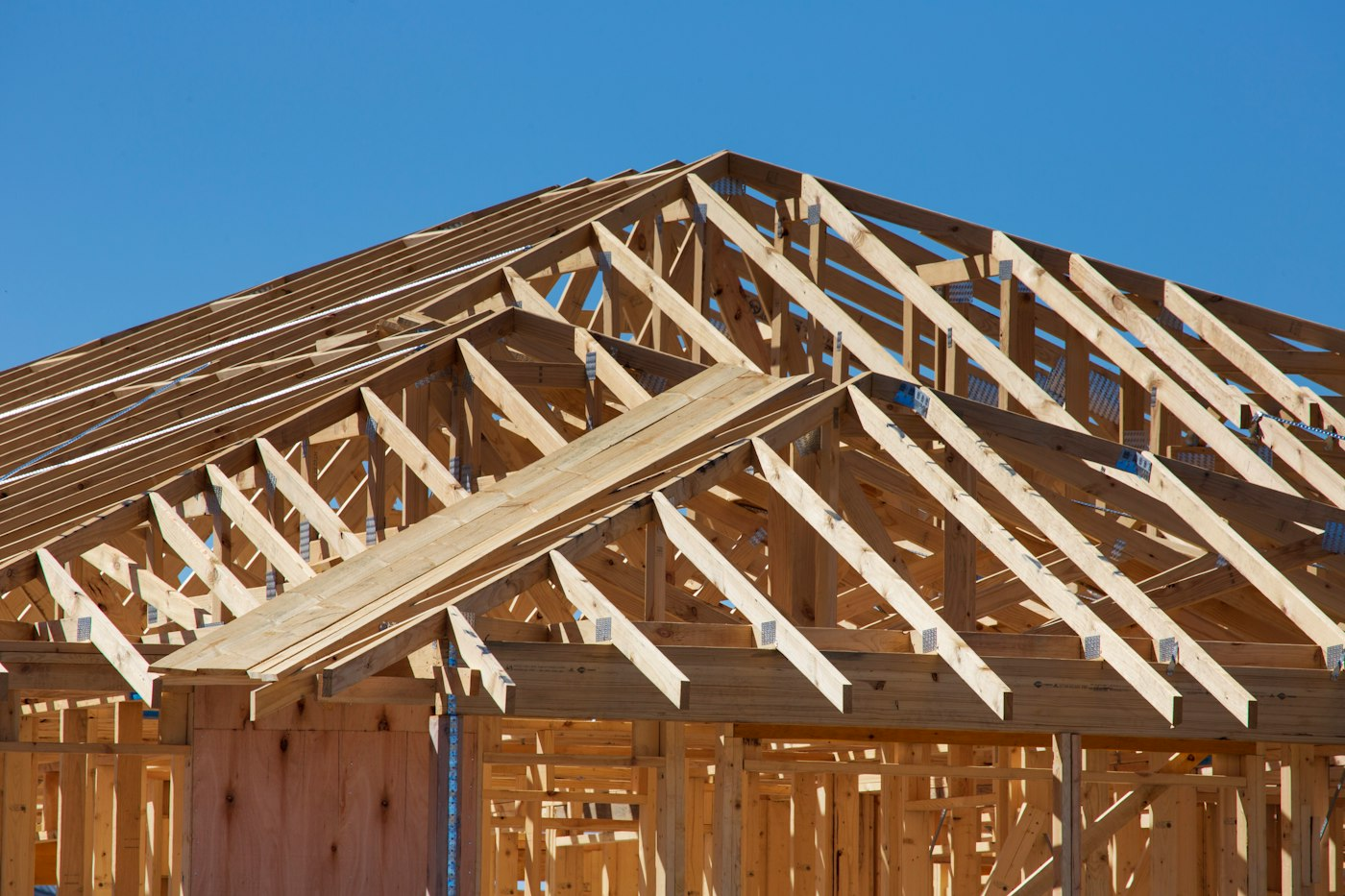
“Good bones” is one of the most common phrases in real estate, and one of the least defined. At heart, it means a house has solid, well-planned fundamentals, even if its surfaces are dated. Learning to see those fundamentals helps you in two ways: you avoid being dazzled by fresh paint on a flawed house, and you avoid passing on a great house because of an ugly carpet.
Separate the permanent from the changeable
Before you tour, sort a home’s features into two lists. Easy or moderate changes include paint, light fixtures, hardware, carpet, appliances, window coverings and landscaping. Hard or costly changes include the foundation, the framing, the roof structure, the overall layout, ceiling heights, the number and placement of windows, and the home’s position on the lot. When you walk through, spend most of your attention on the second list.
Look at the layout and flow
Moving walls, stairs and plumbing is expensive and sometimes impractical, so a sensible floor plan is a big part of good bones. Ask yourself:
- Does the entry lead naturally into the main living areas?
- Is the kitchen in a practical spot relative to the dining area and the door you would use with groceries?
- Are bedrooms placed where you want them, with reasonable privacy?
- Are there awkward pass-through rooms or long, wasted hallways?
- Is there enough storage, or a realistic place to add it?
Notice light, height and proportion
Natural light is hard to add after the fact. Note how many windows each room has, which direction they face and whether trees or neighboring buildings block them. Ceiling heights and room proportions also shape how a home feels, and they are rarely worth changing. A modest house with good light and well-proportioned rooms often feels larger than its square footage suggests.
Watch for signs of structural trouble
You are not the inspector, but you can notice clues worth raising. Look for doors that stick or swing on their own, sloping floors, large cracks in walls or foundations, gaps around window and door frames, and a roofline that sags. Check the basement or crawl space for water stains and the attic for signs of leaks. None of these automatically rules out a house, but each belongs on your list for the home inspector, who may recommend a structural engineer if something looks serious.
The lot is part of the bones, too. You can renovate a house, but you cannot move it. The slope and drainage of the land, its orientation to the sun, the size and shape of the yard, and the home’s relationship to the street are all fixed. So is its location relative to the places you go every day.
Putting it together
A house with good bones gives you options. You can live with dated finishes while you save, then update on your own schedule. A house with poor bones can look perfect and still frustrate you for years. Use your tours to judge the fundamentals, use the inspection to confirm them and let the decor be the easy part.
A Good-Bones Walkthrough You Can Use on Any Tour
It is easy to get distracted by staging and finishes. A simple routine keeps your attention on the fundamentals. Try this sequence at every home that makes your short list.
- Stand across the street. Look at the roofline for sags or dips, the walls for bulges, and the way the ground slopes toward or away from the house.
- Walk the perimeter. Look at the foundation for wide or stepped cracks, check where gutters drain, and note any areas where soil sits against siding.
- Enter and pause. Notice how the main rooms connect, where the light comes from and whether the plan makes sense for the way you live.
- Test the doors and windows. Open a few. Sticking, binding or gaps can point to movement, though they can also reflect humidity or simple adjustment needs.
- Look up and down. Scan ceilings for stains and floors for slopes or soft spots. Rolling a small ball on the floor is a casual but telling test.
- Visit the lowest level. In a basement or crawl space, look for moisture, efflorescence (a white, chalky residue on masonry), and the condition of visible framing.
- Peek into the attic if you can. Look for daylight where it should not be, stains on the roof sheathing and the depth of insulation.
Things That Look Bad but Usually Are Not
Part of seeing good bones is recognizing when an unattractive feature is only skin-deep. These items often look worse than they are:
- Dated paint colors and wallpaper. Removing wallpaper is tedious, but it is labor, not structure.
- Worn or stained carpet, especially when there may be hardwood underneath. Ask the seller or check a closet corner.
- Old light fixtures and hardware, which are some of the simplest changes in a home.
- Overgrown landscaping. A tangle of shrubs can hide a good house and is usually solvable in a few weekends.
- Heavy or dark window treatments that make a bright room look dim.
Things That Look Fine but Deserve a Closer Look
- Fresh paint in one small area, particularly on a ceiling or low on a basement wall. It may be routine touch-up or may cover a stain.
- New flooring in only one room, which can hint at past water damage.
- A dehumidifier running in a basement, which is common but raises a fair question about moisture levels.
- Furniture or rugs placed in unusual spots that could be covering damage.
None of these is proof of a problem, and many have innocent explanations. They are simply good topics for your inspector and your questions to the seller.
Estimating the Cost of Changing the Surface
When a home has good bones and tired finishes, it helps to get a rough sense of what updates would involve before you make an offer. A contractor walkthrough during a second showing, or a list of priorities you can price out later, keeps you realistic. Many buyers phase updates over time, starting with paint and flooring and saving kitchens and baths for later.
Questions Buyers Ask
Is an older home more likely to have good bones?
Age alone does not decide it. Some older homes are solidly built, and some newer homes are excellent too. Each house has to be judged on its own condition and design.
Can layout really not be changed?
It can, but moving walls, stairs and plumbing is often costly and may require permits and engineering. That is why a workable plan is such a valuable starting point.


