
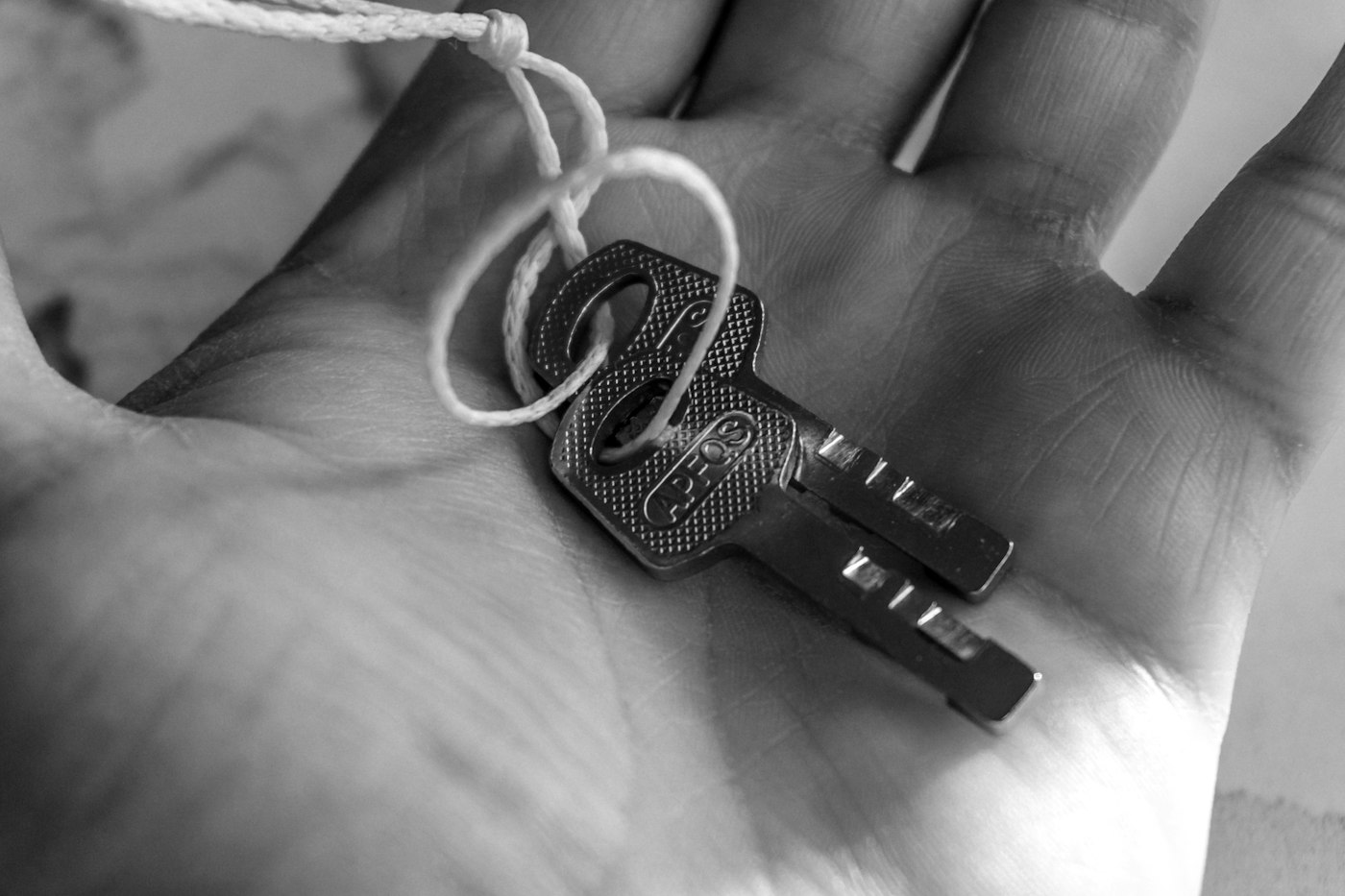
You have the keys, but you do not yet know who else does. You know the house has smoke detectors, but not how old they are. You know there is a water shutoff somewhere. The first week in a new home is the time to answer these questions, before a problem makes them urgent. None of this takes long, and all of it matters.
Locks, keys and codes
Over the years, keys to a home drift outward to contractors, house sitters, relatives and former owners’ friends. Assume copies exist and start fresh:
- Rekey or replace every exterior door lock, including the door from the garage into the house, and any padlocks on sheds or gates.
- Reprogram the garage door opener and erase old remotes; the manual or the manufacturer’s website explains how. Replace the exterior keypad code.
- Reset any smart locks, cameras, doorbells and thermostats to factory settings and set them up under your own accounts, so no one else retains remote access.
- Change the alarm system codes and update the monitoring account, or have the system removed if you will not use it.
- Get the mailbox key if the mailbox locks, and have a new one made if the seller cannot provide it.
- Check that every window locks and that sliding doors have a secondary lock or bar.
Smoke and carbon monoxide detectors
Test every detector in the house. Then look at the manufacture date printed on the back, since detectors have a service life and should be replaced when they reach it, regardless of whether they still chirp when tested. Make sure there are smoke detectors on every level and near sleeping areas, and carbon monoxide detectors where your local code requires them, typically near bedrooms and on each level if the home has fuel-burning appliances or an attached garage. Your local fire department or building office can tell you the current requirements. Replace batteries, or install units with long-life sealed batteries. Put a fire extinguisher in the kitchen and know how to use it, and walk the household through an escape plan with two ways out of each bedroom.
Find the shutoffs
Every homeowner should be able to stop water, gas and electricity quickly. Spend fifteen minutes locating:
- The main water shutoff, often where the supply line enters the house, near the water meter or in a basement or utility room. Turn it off and on once to make sure it works, and tag it.
- The individual shutoff valves under sinks, behind toilets, at the water heater and at the washing machine.
- The gas meter and its shutoff, if the home has gas. Know where it is, but do not operate it yourself unless instructed; if you smell gas, leave and call the utility or emergency services from outside.
- The electrical panel. Make sure each breaker is labeled; if not, map them with a helper and a lamp.
- The sump pump, furnace switch and water heater controls, so you can turn them off if needed.
A few more first-week items
- Clean the dryer vent and confirm the exhaust reaches outside.
- Test GFCI outlets in the kitchen, bathrooms, garage and outdoors.
- Make sure house numbers are visible from the street, day and night, for emergency responders.
- Tighten loose handrails and check exterior lighting.
- Post emergency numbers and utility contacts somewhere visible, and store your closing documents and warranties in a safe place.
Write down what you did and when, including the detector dates and the lock work, as the first entries in your home’s maintenance record. These are small tasks, but they are the ones that make a new address feel secure, and they are far easier to do now than to wish you had done later.
Your First-Week Safety Plan, Day by Day
The list above is easier to finish when it is spread across the first several days rather than saved for a weekend that never comes. One possible rhythm:
- Day one: Locate the main water shutoff and the electrical panel. Test the smoke and carbon monoxide detectors. Make sure every exterior door locks.
- Day two: Schedule a locksmith or rekey the locks yourself. Reset garage door openers and keypad codes.
- Day three: Reset smart devices and set up your own accounts. Change alarm codes or contact the monitoring company.
- Day four: Map and label the breakers. Find the individual water shutoffs and check that they turn.
- Day five: Walk the household through the escape plan. Place a fire extinguisher in the kitchen and consider one in the garage.
- The weekend: Clean the dryer vent, test GFCI outlets, and tackle handrails and lighting.
Building a Home Emergency Kit
Storms, power outages and plumbing surprises do not wait until you are settled. A simple kit, kept somewhere easy to reach, makes the first emergency in a new home far less stressful:
- Flashlights or headlamps for every member of the household, with spare batteries.
- A battery-powered or hand-crank weather radio.
- A first aid kit and a supply of any essential medications.
- Bottled water and shelf-stable food for a few days.
- A basic tool set, including an adjustable wrench, pliers and a flashlight that can be set down hands-free.
- Phone chargers and a portable power bank.
- Copies of important documents and a list of emergency contacts in a waterproof bag.
Practice Before You Need It
Knowing where a shutoff is and being able to use it in a hurry are not the same thing. Take a few minutes to practice:
- Have every adult in the household turn the main water valve off and back on. Note whether it needs a tool, and keep that tool nearby.
- Practice switching off the main breaker and restoring it, ideally when the house is quiet and nothing sensitive is running.
- Run a fire drill, including a meeting spot outside. Make sure children know how to open their windows and that screens can be removed from inside.
- Teach older children how to call emergency services and what information to give, including the home’s address.
Questions New Homeowners Ask
Is rekeying as good as replacing the locks?
Rekeying changes the internal pins so old keys no longer work, and it is often enough. Replacing makes sense if the hardware is worn, if you want a higher-security lock, or if you prefer a different style.
How can I tell if a detector is past its service life?
Look for the manufacture date on the back of the unit and check the manufacturer’s guidance. If there is no date at all, that is a good sign it is time to replace it.
Should I have the electrical or gas systems checked?
Your home inspection is a starting point. If the report raised concerns, or if you notice flickering lights, warm outlets or the smell of gas, call a licensed electrician or the gas utility right away.


