
Most of a move is boxes of things that will survive being dropped. A small portion is not: the plants you have kept alive for years, the art on the walls, the dishes from a grandparent, the things that are either delicate or irreplaceable. These deserve their own plan, and in some cases their own ride.
Houseplants
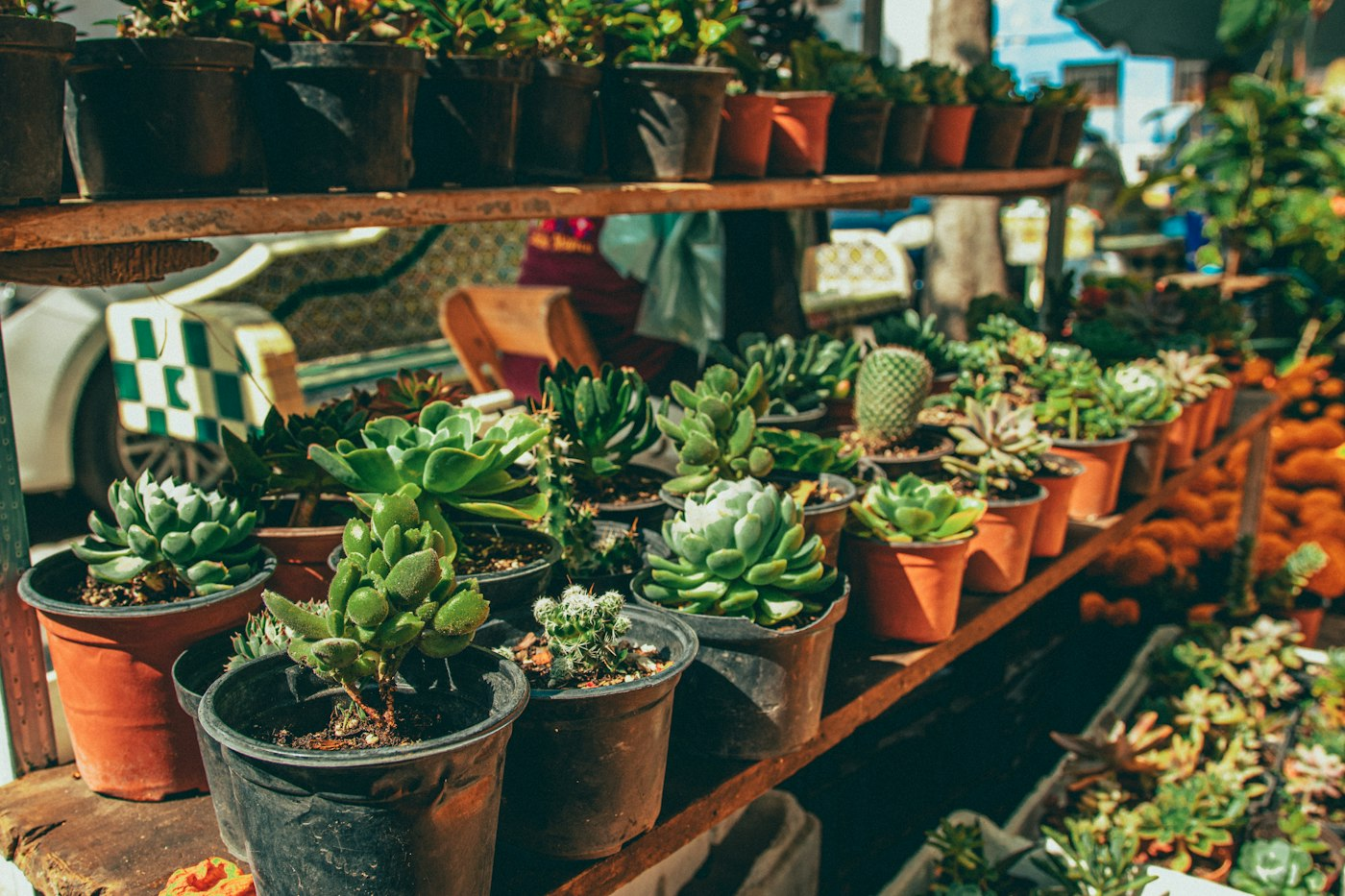
Many moving companies will not transport live plants, and a closed truck can be too hot or too cold for them anyway. Plan to move them yourself. A few weeks ahead, prune leggy growth and move plants from heavy ceramic pots into lightweight plastic ones of the same size; the ceramic pots can be packed separately. Water a few days before the move so the soil is moist but not dripping. On moving day, set pots in open boxes with paper packed around them so they cannot tip, and wrap the foliage loosely in paper if it is cold. Keep them in the passenger area of a car, out of direct sun, and never in a trunk. At the new home, give them a similar light exposure to what they had and expect some leaf drop while they adjust.
If you are moving across state lines, check the destination state’s rules. Some states restrict bringing in certain plants or soil to protect agriculture, and a quick check of the state’s department of agriculture website prevents a problem at the border.
Framed art and mirrors
- Use picture boxes or telescoping mirror cartons sized to the piece, with corner protectors on the frame.
- Place a large X of painter’s tape across glass; it will not prevent breaks but it helps hold shards together.
- Wrap canvases in paper or glassine, not plastic, which can trap moisture against the surface.
- Pack frames vertically, never flat, and never stack anything on top of them.
- Keep art out of hot cars and trucks for extended periods, and consider having very valuable or very large pieces crated by a specialist.
Dishes and glassware
Use sturdy dish boxes with a thick layer of crumpled paper at the bottom. Wrap each plate individually and pack plates on their edges, not flat, which distributes shock better. Wrap glasses and stemware in paper, use cell dividers if you have them, and pack the heaviest items at the bottom. Fill every gap so nothing shifts, keep boxes small enough to lift comfortably, and label them fragile with the correct side up. The same approach works for ceramics, vases and small collectibles.
Lamps, electronics and heirlooms
Remove lampshades and bulbs and pack shades nested in their own box. Photograph the cables on the back of televisions and computers before unplugging, and use original boxes if you still have them. Back up computers before the move. Irreplaceable items such as documents, jewelry, family photos and small heirlooms should travel with you, not on the truck. For valuable items that must go with a mover, ask about declaring their value and the coverage options in writing before moving day.
Unpacking and checking
Open fragile boxes first, while the mover is still present if possible, and photograph any damage before moving anything. Claims with moving companies have deadlines, so review the paperwork and act promptly. Set plants in their spots and water lightly. Hang art once you know where furniture will live. The fragile things are the ones that make a new house feel like your home, which is exactly why they are worth the extra care.
A Fragile-Items Inventory Before You Pack
Before the first box is taped, walk through the house and make a list of everything that needs special handling. For each item, decide three things: how it will be packed, who will move it, and where it will go in the new home. This short exercise prevents the moving-day scramble when someone realizes the antique mirror is still hanging in the hallway.
- Travels with you: documents, jewelry, photos, heirlooms, medications, laptops and anything irreplaceable.
- Travels with the movers, specially packed: framed art, mirrors, dishes, lamps and furniture with glass parts.
- Needs a specialist: very valuable art, pianos, large aquariums, antiques with delicate finishes, chandeliers.
- Travels in your car: houseplants and anything sensitive to heat or cold.
Photograph valuable items before packing, both for your records and in case you need to document a claim later.
Packing Supplies Worth Having on Hand
Improvised packing is where most breakage happens. Gathering the right materials in advance pays for itself:
- Plain packing paper, which will not transfer ink the way newspaper can.
- Bubble wrap for items with uneven shapes, used over a layer of paper on finished surfaces.
- Double-walled dish boxes and cell dividers for glassware.
- Picture and mirror boxes in a few sizes, plus cardboard corner protectors.
- Painter’s tape, which removes cleanly, and strong packing tape for sealing boxes.
- Moving blankets for furniture, and stretch wrap to keep drawers and doors closed.
- Small zippered bags for hardware, labeled with the piece they belong to.
Weather and the Fragile Things
The time of year changes the plan. In summer, a closed vehicle heats up fast, which can stress plants, warp candles and vinyl records, and harm some finishes and electronics. Load these items last, unload them first, and do not leave them sitting in a parked car. In cold weather, plants can be damaged by even short exposure, and electronics should be allowed to come to room temperature before being turned on, to avoid condensation inside. If rain is in the forecast, keep a stack of plastic sheeting and towels ready, and keep paper-wrapped art and boxes of linens off wet ground.
Mistakes That Lead to Breakage
- Overstuffing or underfilling boxes. A box that bulges can crush its contents; one with empty space lets items shift. Aim for snug.
- Using large boxes for heavy items. Books and dishes belong in small boxes that can be lifted safely.
- Wrapping finished wood directly in plastic. Plastic can trap moisture and mar some finishes. Use paper or a blanket first.
- Labeling only the top. Write “fragile” and the destination room on at least two sides, since stacked boxes hide their tops.
- Packing the night before. Rushed packing is careless packing. Start with fragile items you will not need in the final weeks.
Questions Movers Hear Often
Should I pack fragile items myself or let the movers do it?
Professional packers handle fragile items every day and may offer different coverage for items they pack. Ask the company how coverage differs, and get the answer in writing.
How soon should I report damage?
As soon as you discover it. Review the deadlines in your moving paperwork, photograph the damage and the box, and keep the packing materials until the claim is settled.
Will my homeowners or renters insurance cover items in transit?
Policies differ. Call your insurance agent before the move to ask what is covered and whether additional coverage makes sense for valuable items.


