
Two homes with the same price and the same square footage can cost very different amounts to heat, cool and light. Those differences show up every month for as long as you own the home, yet most buyers never think about them during a showing. You do not need to be an engineer to spot the clues. You need to know where to look.
The envelope: windows, doors and insulation
The envelope is everything that separates inside from outside. Start with windows. Double-pane glass is the norm in newer homes; single-pane windows, especially with storm windows missing, let a lot of heat through. Fogging or moisture between panes means a failed seal. Feel for drafts around window frames and exterior doors, and look for weatherstripping that is cracked or missing.
Then find the attic access. If you can open it safely, look at the insulation: it should be deep enough to cover the ceiling joists, evenly spread, and dry. A thin or patchy layer is one of the most common and most fixable efficiency problems in older homes. Note whether the attic hatch itself is insulated and whether recessed lights poke up through the ceiling, which can leak conditioned air.
The systems: heating, cooling and hot water
- Look at the age of the furnace or boiler and the air conditioner. Newer equipment generally runs more efficiently, and labels may show an efficiency rating.
- Look for the ENERGY STAR label on equipment and appliances, a federal program described at energystar.gov.
- Notice whether ductwork runs through unconditioned spaces such as the attic or crawlspace, and whether it is sealed and insulated.
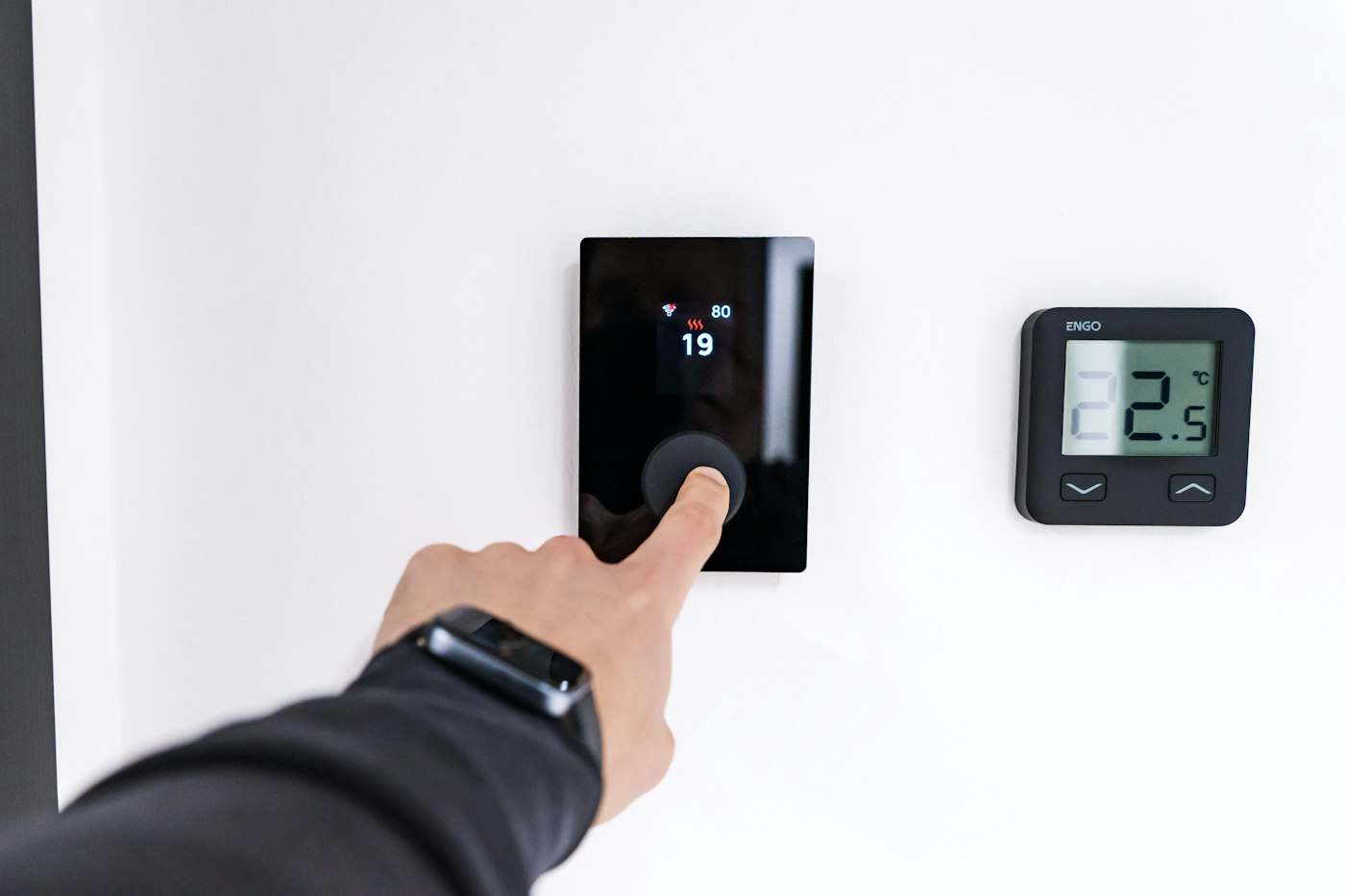
- Check for a programmable or smart thermostat, which costs little but suggests attentive owners.
- Note the water heater type and whether hot water pipes are insulated where visible.
- Look at the lighting; a home already converted to LED bulbs tells you something about how it has been kept.
Ask for the utility history
The most direct evidence is the bills. Ask the listing agent whether the seller will share a year of utility costs, or the averages, for electricity, gas, oil, propane or water. Some utilities will provide an address’s usage history to a prospective buyer with the owner’s permission. Treat the figures as a guide rather than a promise, since the previous household’s habits and thermostat settings shaped them, but large numbers for the home’s size are worth asking about.
Consider an energy assessment
A home energy audit goes beyond a visual check. An auditor may use a blower door test to measure air leakage and an infrared camera to find missing insulation, then prioritize improvements. Some buyers add one during the inspection period; others schedule one after closing, often through a utility program that offers it at low cost. Either way, it turns vague impressions into a specific list.
Keep it in proportion
Efficiency is one factor among many, and nearly every weakness can be improved: insulation added, windows sealed, equipment replaced when its time comes. The point is not to reject a home for single-pane windows but to see the full monthly cost clearly and to know what you would want to change. Buyers who account for utilities alongside the mortgage, taxes and insurance get a far more accurate picture of what they can comfortably afford.
Efficiency Clues in a Southern Climate
In Cartersville, Bartow County and the surrounding North Georgia communities, summer cooling is often the biggest energy expense. That shifts which clues matter most during a showing.
- Attic heat. In summer, a poorly ventilated or under-insulated attic can get very hot and push heat into the living space. Look for soffit and ridge vents, attic fans and adequate insulation.
- Sun exposure. West-facing windows without shade can make rooms warm in the afternoon. Notice which rooms get late-day sun and whether there are trees, awnings or window treatments to help.
- Ducts in hot spaces. Ductwork running through a hot attic or a humid crawlspace can lose cooling if it is not sealed and insulated.
- Humidity control. A system that cools without managing humidity can leave a home feeling clammy. Ask how the house feels in midsummer.
- Heat pumps. Many homes in the region use heat pumps. Ask the age of the system and whether it has been serviced regularly.
A Showing Checklist for Efficiency
- Check window labels or glass for double-pane construction and look for fogged seals.
- Feel for drafts around exterior doors and windows.
- Look at the attic insulation if the hatch is accessible and safe to open.
- Note the age of the HVAC equipment and water heater from their labels.
- Look at the thermostat type.
- Check for weatherstripping and door sweeps on exterior doors.
- Notice whether rooms feel noticeably warmer or cooler than others.
- Ask for utility averages.
Improvements That Often Pay Off
If a home you like shows some weaknesses, many fixes are modest and can be done over time after closing:
- Air sealing: caulking gaps, sealing around attic hatches and adding weatherstripping.
- Adding attic insulation: often one of the simpler upgrades for older homes.
- Sealing ductwork: reducing leaks in ducts that run through unconditioned spaces.
- Upgrading the thermostat: a programmable or smart thermostat helps manage use.
- Switching to LED lighting: an inexpensive change that reduces electricity use.
- Adding shade: window treatments, awnings or trees on the sunny sides of the house.
Common Mistakes Buyers Make
- Ignoring utility costs in the budget. Monthly energy bills are part of what you can afford.
- Assuming newer means efficient. Construction quality and maintenance matter as much as age.
- Rejecting a home over fixable items. Many efficiency weaknesses can be improved after purchase.
- Overlooking the previous owner’s habits. Utility history reflects how the home was used, not only how it was built.
Energy Efficiency Questions
Are solar panels a plus or a complication?
They can reduce electricity costs, but ask whether they are owned or leased, how old they are and what agreements transfer with the sale.
Will efficiency upgrades raise my home’s value?
They may make a home more appealing to future buyers and reduce monthly costs, though the effect on price varies.
Should I ask the seller to make efficiency upgrades?
Usually, efficiency items are treated as improvements rather than defects, so they are more often handled after closing. If an inspection finds something that is actually failing, such as a broken window seal or a malfunctioning system, that may be worth discussing with your agent during due diligence.


