
New buyers tend to fall for kitchens and fall out over paint colors. Experienced owners look up at the roof and down at the furnace first, because those are the things that cost real money when they fail. Every major system in a house has a remaining life, and learning to estimate it turns a showing into a budgeting exercise. Here is how to look at each.
The roof
Ask how old it is and what it is made of. Asphalt shingles, the most common material, typically last a couple of decades depending on quality and climate; metal, tile and slate can last far longer. From the ground, look for curling or missing shingles, bald patches where the surface granules have worn off, moss, sagging, and the condition of the flashing around chimneys and vents. Ask whether the current roof was installed over an older layer, which can shorten its life and complicate replacement. Permits or receipts for roof work are worth requesting.
Heating and cooling
Find the furnace or boiler and the air conditioner and look at their labels, which usually include a manufacture date or a serial number that encodes one. Heating equipment often serves for a decade or two with maintenance; air conditioners frequently have shorter lives. Look for rust, soot, water around the base, a dirty filter and a cluttered mechanical area, all of which suggest neglect. Ask for service records. Listen to the system run during the showing, and notice whether some rooms feel much warmer or cooler than others.
The water heater
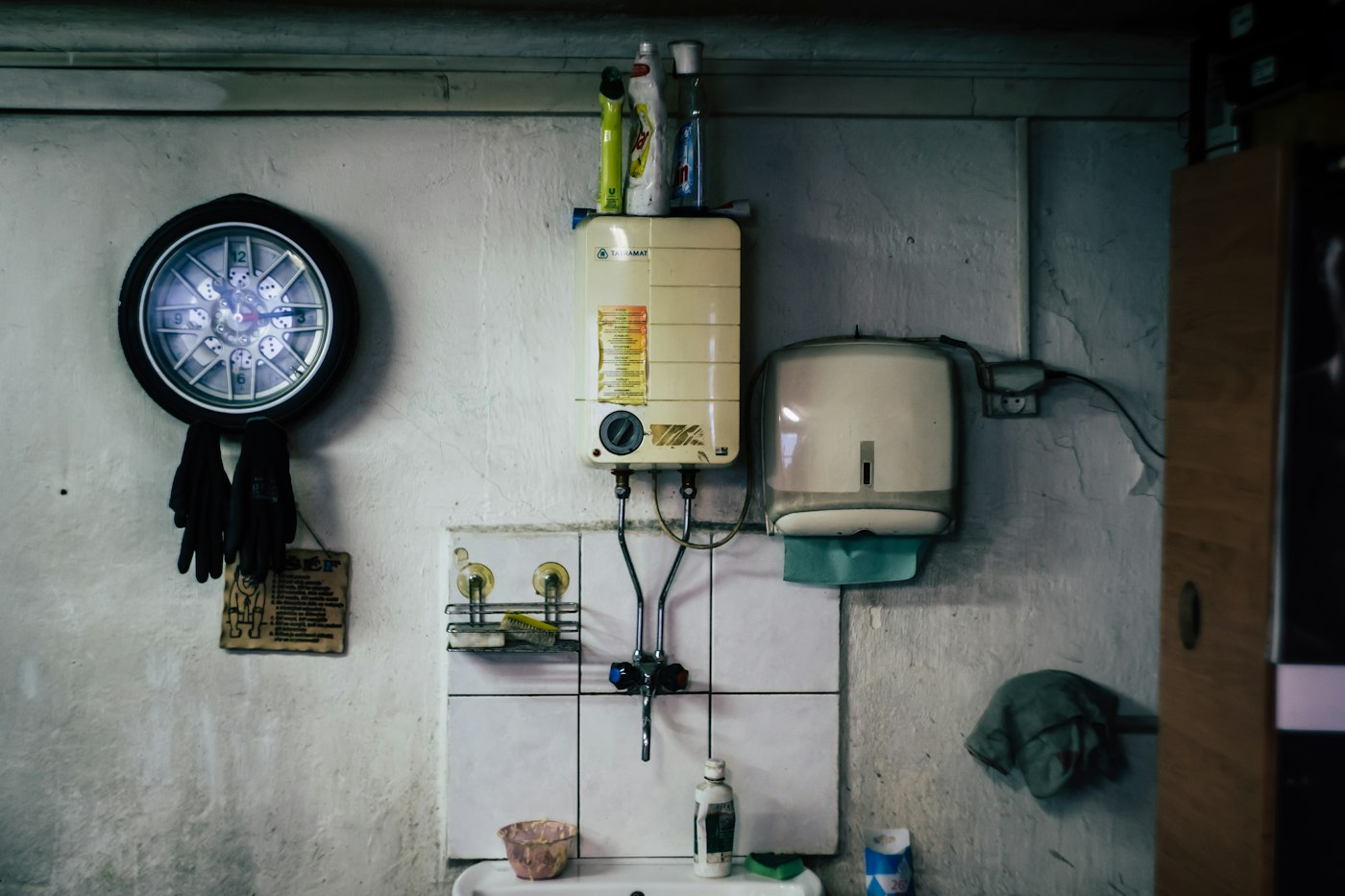
Tank water heaters have one of the shortest lives of any major component, often around a decade. Check the label for the date, look for rust at the fittings and the base, and note whether it sits in a drain pan with a line to a drain, which limits damage when it does fail. Tankless units last longer but need periodic descaling. Either way, build its replacement into your expectations if it is more than several years old.
Plumbing and electrical
These are harder to see but worth asking about. In older homes, certain pipe materials and wiring types are flagged by inspectors and sometimes by insurers, which can affect your ability to get coverage or your premium. Look at the electrical panel for signs of scorching or amateur work, check that outlets near water are the protective GFCI type, and run several fixtures at once to judge water pressure. Your inspector will go further.
Turning observations into a plan
- For each system, write down its age, its condition and a rough sense of how many years it likely has left.
- Expect that something will need replacement in your first several years of ownership, and keep a reserve for it.
- Use the inspection report to decide whether to ask the seller for a repair, a credit or a price adjustment, keeping in mind that aging systems that still work are not defects.
- Ask your inspector directly which items are urgent, which are coming, and which are cosmetic.
- Consider whether a home warranty makes sense for your situation, understanding what it does and does not cover.
A home with older systems can be an excellent purchase at the right price. A home with new finishes and a failing furnace can be a costly one. Knowing the difference is most of what separates a confident buyer from a surprised one.
A Simple Systems Worksheet
Turning observations into a plan is easier with a basic worksheet. For each home you seriously consider, write down a few details for every major system:
- System: roof, furnace, air conditioner, water heater, electrical panel, plumbing.
- Approximate age: from the label, records or the seller.
- Visible condition: good, fair or showing wear.
- Records available: yes or no.
- Likely timing of replacement: soon, in a few years, or not for a while.
- Questions for the inspector: anything you want looked at closely.
When two homes look similar on paper, this worksheet often reveals which one is more likely to need significant spending in the first few years.
Systems in a Southern Climate
Homes in Cartersville, Bartow County and the surrounding North Georgia communities face long, humid summers, and that shapes how buyers should think about some systems.
- Air conditioning works hard. Cooling equipment runs for much of the year. Service records and the condition of the outdoor unit matter.
- Heat pumps are common. Many homes in the region use heat pumps for both heating and cooling, sometimes with a gas or electric backup. Ask what type of system the home has.
- Humidity affects attics and crawlspaces. Poor ventilation can lead to moisture problems. Ask your inspector to look closely at both areas.
- Storms test roofs. Spring and summer storms can bring wind and hail. Ask whether the roof has had storm-related repairs or insurance claims.
Using the Inspection Report Wisely
- Separate safety issues from aging components. A gas leak or electrical hazard is urgent. An older but functioning water heater is a budgeting item.
- Ask for specialist opinions when needed. An HVAC technician, roofer or electrician can provide more detail and an estimate.
- Decide what to request. Focus requests on significant defects and safety items rather than normal wear.
- Plan for the rest. Use the remaining items to build your first-year and five-year maintenance budget.
Common Mistakes Buyers Make
- Judging by appearance. Fresh paint and new fixtures say little about the roof or HVAC.
- Asking the seller to replace everything old. Aging systems that still work are usually reflected in price, not treated as defects.
- Not keeping a reserve. Even with a good inspection, something will eventually need replacement.
- Forgetting to ask about insurance. Roof age and certain electrical or plumbing materials can affect coverage. Talk with your insurance agent during due diligence.
Major Systems Questions
Can I ask for a credit instead of a repair?
Often, yes. A credit lets you choose your own contractor after closing. Your agent can help you decide which approach fits.
How can I learn a system’s age without records?
Labels and serial numbers often reveal manufacture dates. Your inspector or a technician can help decode them.
Is a home warranty a substitute for an inspection?
No. A warranty may help with certain repair costs after closing, subject to its terms and exclusions, but it does not tell you the condition of the home before you buy. The inspection does that.


