
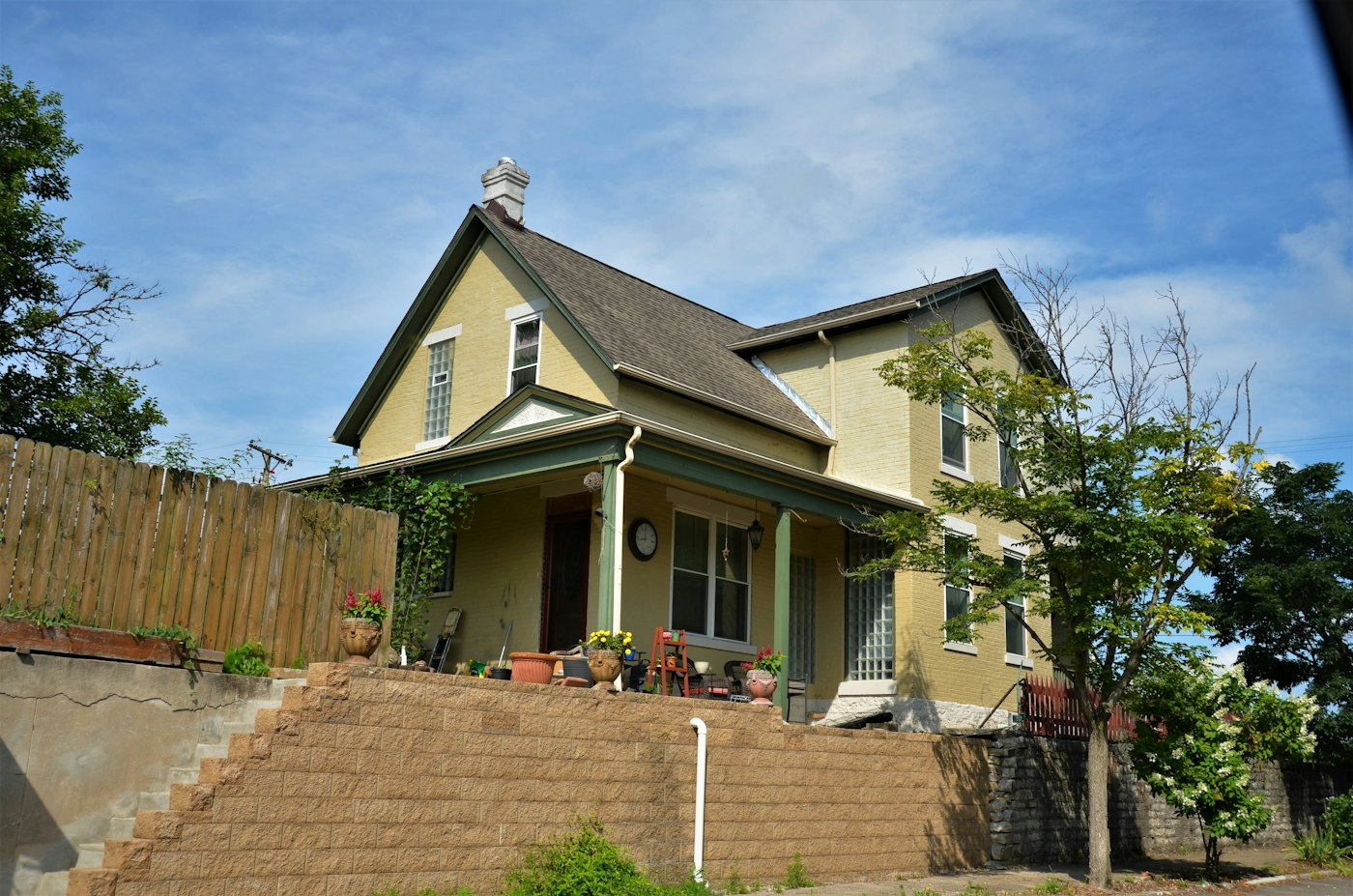
Curb appeal advice tends to focus on flowers and front doors, but buyers walk on the driveway, climb the steps and glance at the fence before they ever notice the pansies. These hard surfaces frame the whole picture, and their condition says a great deal about how a home has been maintained. Spring is the time to address them.
The driveway
Start with a thorough sweep and a wash. Oil and rust stains can often be lifted with a degreaser and a stiff brush; stubborn ones may need a specialty cleaner. Pull weeds and grass from cracks and expansion joints and re-cut the edge where the lawn has crept over. Fill cracks with a product made for your surface, and if an asphalt drive is faded and crumbling at the edges, a sealcoat applied during a stretch of dry, warm weather can make it look new. For gravel, rake it level, define the edges and add fresh material where it is thin. Finally, move cars off the driveway for photos and showings so buyers can see the surface and imagine their own.
Walkways and steps
Paths and steps are a safety matter as well as a visual one, and a buyer’s inspector will note problems. Walk the path with a critical eye:
- Re-set pavers or stones that have heaved or sunk so there are no trip edges.
- Repoint crumbling mortar between bricks or stones, and fill gaps with sand or polymeric sand for dry-laid pavers.
- Pressure wash concrete carefully to remove algae and grime, which also makes it less slippery.
- Check that handrails are solid, and add one where steps need it.
- Trim plants that crowd the walk so two people can pass comfortably.
Fences and gates
A leaning fence is one of the first things buyers notice from the street. Reset or replace loose posts, swap out broken or rotten boards, and tighten hardware. Wood fences benefit from a wash and a fresh coat of stain or paint, applied to the whole run for an even finish. Vinyl and metal fences usually just need a cleaning. Make sure every gate swings freely, latches securely and does not drag. If a fence sits on or near a property line, be mindful that repairs affect a neighbor too; a friendly conversation beforehand avoids surprises.
The small built details
Hardscape includes the pieces people touch. Replace a dented mailbox or give it a coat of paint. Install house numbers that are large, legible and consistent with the home’s style. Clean or replace exterior light fixtures, and make sure every bulb works, since many showings happen at dusk. Repaint or replace rusted railings and clean the doorbell and door hardware.
Deciding what to hire out
Cleaning, weeding, staining and minor paver work are within reach for most homeowners. Structural fence repair, significant concrete cracking, drainage problems that undermine a walkway, and retaining walls that bulge or lean call for a professional, and in some cases a permit. Ask your agent which repairs buyers in your area expect and which they will overlook. Spend where it shows and where it matters for safety, and let a clean sweep handle the rest.
A Weekend Hardscape Plan for Sellers
Most of the work described above can be done over a couple of weekends if it is organized well. Doing it in the right order keeps you from cleaning a surface twice.
Saturday morning: clear and inspect
- Move vehicles, trash cans, hoses and anything stored along the driveway or the side of the house.
- Walk every hard surface with a notepad and list cracks, loose pavers, stains, leaning posts and broken boards.
- Decide what you will handle yourself and what needs a contractor, and call for estimates early.
Saturday afternoon: weed and repair
- Pull weeds from joints and cracks, and re-cut lawn edges along the drive and walks.
- Re-set loose pavers and fill joints.
- Tighten fence hardware and replace any obviously broken boards.
Sunday: clean and finish
- Pressure wash concrete, pavers and fences, working from the top down and away from the house.
- Let surfaces dry fully before applying crack filler, sealer, stain or paint.
- Finish with the small details: house numbers, mailbox, light fixtures and the front door hardware.
Pressure Washing Without Causing Damage
A pressure washer makes quick work of grime, but it can also etch concrete, gouge soft wood, strip paint and force water where it should not go. A few precautions help:
- Start with the lowest pressure and the widest nozzle that does the job, and test in an inconspicuous spot.
- Keep the wand moving and at a consistent distance to avoid stripes.
- Spray wood with the grain, and expect softer woods to need a gentler touch.
- Never aim at windows, door seals, vents, light fixtures or electrical outlets.
- Protect nearby plants by wetting them first and rinsing them after, especially if you use a cleaner.
What Buyers and Inspectors Tend to Notice
Buyers notice appearance. Inspectors notice function. Sellers who think about both rarely get surprised by a repair request. Common hardscape items that show up in inspection reports include:
- Trip hazards on walkways and steps.
- Missing or loose handrails.
- Driveways or patios that slope toward the house, sending water toward the foundation.
- Retaining walls that lean, bulge or show cracking.
- Gaps where concrete meets the foundation that could let water in.
- Gates and fences that do not latch, especially around pools where local rules may apply.
If you already know about one of these, it is usually better to address it, or at least get a written estimate, than to let the buyer’s inspector discover it.
Questions Sellers Ask
Is it worth sealcoating an asphalt driveway before listing?
It can make a tired driveway look much fresher for relatively little effort. Timing matters, though, since sealer needs dry weather to cure. Ask your agent whether it will make a visible difference for your home.
Should I replace an old fence before selling?
Usually, repairing and cleaning an existing fence is enough. Full replacement makes sense mainly when the fence is failing, unsafe or so visibly worn that it pulls attention from the rest of the property.
Do I need a permit for hardscape work?
It depends on the project and the locality. New driveways, retaining walls and some fences may require one. Check with your local building or zoning office before starting larger work.


