
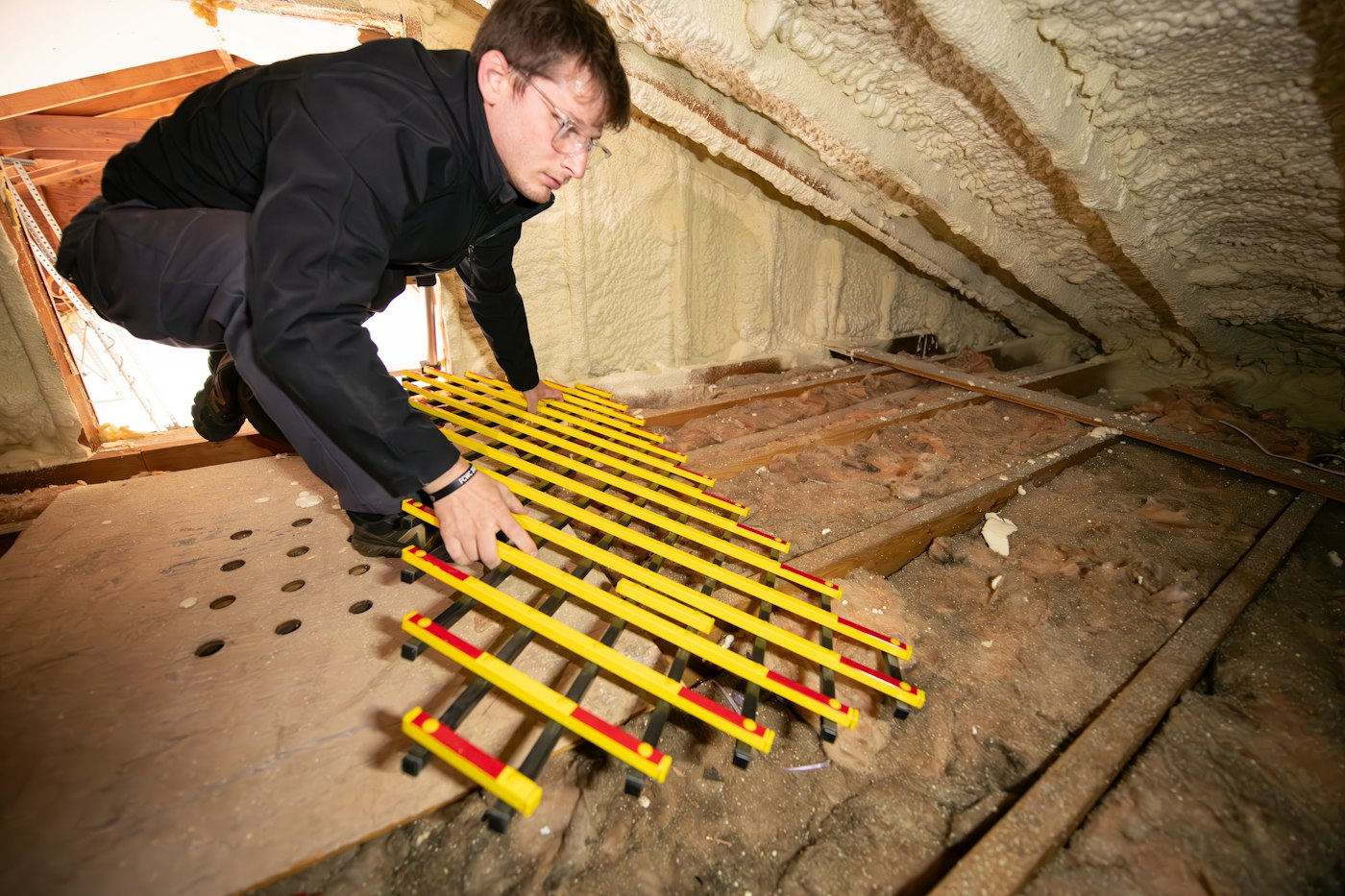
Most sellers meet the home inspector for the first time after they have accepted an offer, when a buyer’s inspection turns up a list of items to negotiate. A pre-listing inspection flips that order. The seller hires an inspector before the home goes on the market, reads the report, and decides what to do with it. It is not required, and it is not right for everyone, but it is worth understanding.
What a pre-listing inspection involves
The process is the same as a buyer’s inspection. A licensed or certified inspector walks the property, checks the roof, structure, exterior, plumbing, electrical, heating and cooling, and interior, and produces a written report with photos. The seller pays for it and receives the report directly.
Potential advantages
- No surprises mid-contract. Discovering a failing water heater or an electrical issue before listing lets you fix it or price for it, instead of renegotiating under deadline pressure.
- Time to get competitive repair bids. After an offer, repair timelines are tight. Before listing, you can gather quotes and choose your contractor.
- A clearer pricing conversation. Knowing the home’s true condition helps you and your agent set a realistic price.
- Buyer confidence. Some sellers share the report and receipts for completed repairs, which can make buyers more comfortable moving forward.
Potential drawbacks
- Cost. You pay for an inspection that buyers may repeat anyway. Most buyers still order their own.
- Disclosure. In many states, once you know about a defect, you are expected to disclose it to buyers. A pre-listing inspection can expand what you know. This is not a reason to avoid learning about your home, but it is a reason to understand your obligations. An attorney or your agent can explain the rules where you live.
- Scope. An inspection is a visual, general review. It will not catch everything, and a buyer’s inspector may note items yours did not.
How to decide
A pre-listing inspection tends to be most useful for older homes, homes with systems the owner knows little about, and homes where the seller wants a smooth, predictable transaction more than anything else. For a newer home with good records, the benefit may be smaller. Talk it over with your listing agent, who will know how buyers in your area typically respond.
If you go ahead
Read the report carefully and sort the findings into three groups: safety and system issues worth fixing, cosmetic items you can address cheaply, and things you will leave and disclose. Keep receipts and warranties for any work. When the home is listed, your agent can advise on whether to make the report available to buyers. Either way, you will go into the sale knowing more about your home than most sellers do, and that knowledge usually pays off in a calmer closing.
Working Through the Report, Step by Step
An inspection report can look long and alarming the first time you read it, even for a well-kept home. Inspectors are thorough by design, and many notes are routine. A simple process makes the report manageable.
- Read the summary first. Most reports open with a summary of major findings. Start there before diving into every photo.
- Separate safety from maintenance. Items like electrical hazards, gas concerns, missing smoke detectors or active leaks belong at the top of your list. Routine maintenance notes, such as caulking or filter changes, come later.
- Ask the inspector questions. If a note is unclear, call and ask what it means, how serious it is and what type of professional should look at it.
- Get specialist opinions where needed. For roof, foundation, electrical, plumbing or HVAC items, a licensed contractor can provide a more detailed evaluation and a written estimate.
- Decide fix, credit or disclose. Talk through each meaningful item with your agent and decide whether to repair it, price for it, or leave it and disclose it.
- Document what you do. Keep receipts, invoices, warranties and before-and-after photos together in one folder.
Items Inspections Commonly Flag
Every house is different, but some findings appear in many reports. Knowing about them ahead of time can help you prioritize.
- Roof wear: missing or lifted shingles, worn flashing or gutters that need attention.
- Moisture signs: stains under sinks, around windows or in crawl spaces, and grading that slopes toward the house.
- Electrical items: missing outlet covers, outlets without ground-fault protection near water, or wiring that looks like a do-it-yourself project.
- Heating and cooling: dirty filters, older equipment or systems that need routine service.
- Water heater: age, missing or improper discharge piping, or signs of corrosion.
- Exterior wood: soft or rotted trim, deck boards or railings that need repair.
- Doors and windows: sticking sashes, broken seals or worn weatherstripping.
Many of these are inexpensive to address. Taking care of them before listing can keep a buyer’s report shorter and the conversation simpler.
Common Mistakes With a Pre-Listing Inspection
- Hiring without checking qualifications. Ask about licensing or certification where it applies, insurance, and what the inspection covers.
- Treating the report as a to-do list. Not every item needs to be fixed. Focus on safety, function and what buyers are likely to notice.
- Doing repairs without records. Work without receipts or permits, where they are required, can raise more questions than it answers.
- Forgetting the disclosure form. Once you know about a material issue, make sure your disclosures reflect it accurately. If you are unsure, ask your agent or an attorney.
- Waiting until the last minute. Schedule the inspection early enough to gather bids and complete repairs before your listing date.
Questions Sellers Ask About Pre-Listing Inspections
Will buyers trust my inspector?
Many buyers appreciate the information but still order their own inspection. That is normal. Your report helps you prepare; it is not a substitute for the buyer’s due diligence.
Should I inspect a newer home?
It can still be useful, especially if the home is past its builder’s warranty or has had additions or changes. The decision often comes down to how much predictability you want.
Can I get just part of the house inspected?
Some sellers order specific evaluations, such as a roof or HVAC check, instead of a full inspection. This can be a sensible middle ground when you have a specific concern.
What if the report finds something major?
You have options: repair it, get a quote and adjust the price, or disclose it and let buyers decide. The earlier you know, the more choices you have.


