
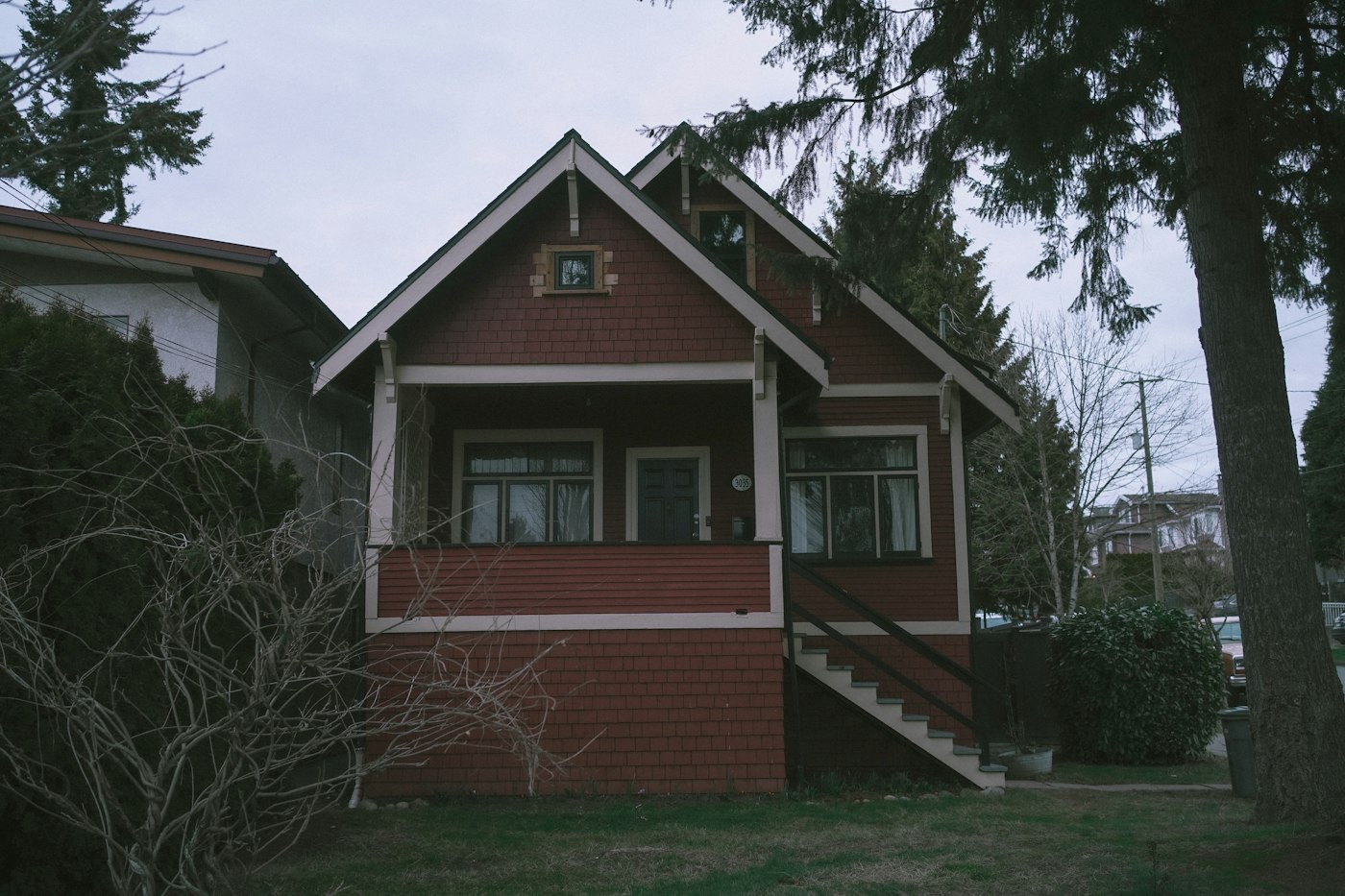
People move to smaller homes for all kinds of reasons: less maintenance, lower ongoing costs, a simpler routine, a new location or simply a change of pace. Whatever the reason, right-sizing works best with a plan for the space, the belongings and the timeline.
Define what you need from the next home
Start with how you want to live. Think about the rooms you use every day and the ones that mostly hold furniture or storage. Do you need a guest room, a home office, space for hobbies or a workshop? Is single-level living a priority? How much yard work do you want to do?
Consider the full picture of costs, too. A smaller home may have lower utility and maintenance costs, but association fees, taxes and insurance vary. Compare total monthly costs, not just the price.
Measure before you move
One of the most common challenges in a smaller home is furniture that does not fit. Get a floor plan or measure rooms in the new home, then measure your key furniture pieces. Decide in advance which pieces will come along and where they will go. This helps you avoid paying to move items that will not fit through the door or will crowd a room.
Sort belongings in stages
Paring down years of belongings is a big job, and it can be emotional. Give yourself time and work in stages:
- Start with spaces that are less personal, like storage closets, garages and guest rooms.
- Sort items into keep, give to family or friends, donate, sell and discard.
- Offer family members the chance to claim items early, with a clear deadline.
- Photograph sentimental items you decide not to keep.
- Schedule donation pickups or a sale to keep momentum.
Some people find it helpful to work with a professional organizer or move manager, especially when time is short.
Coordinate the sale and purchase
If you are selling your current home, think about the timing of both transactions. Selling first gives you certainty about your budget, while buying first allows you to move on your own schedule. Each approach has tradeoffs. A lender can help you understand your financing options, and an agent can help you plan the sequence.
Preparing your current home for sale often goes hand in hand with downsizing. Clearing out belongings makes rooms look larger and helps the home show better.
Settle into the new space
Once you move, give yourself time to adjust. Smart storage solutions, like built-in shelving, under-bed storage and closet organizers, can make a smaller home feel spacious. Resist the urge to fill every corner right away. Live in the space for a while before adding more furniture.
A move to a smaller home can involve financial and tax questions, so talk with a financial advisor or CPA as needed. If you are thinking about right-sizing, reach out through our contact page to talk about next steps.
Questions to Ask Before You Commit to a Smaller Home
A smaller home can be a wonderful fit, but it is worth testing the idea against your real routine before you start touring. A few questions help clarify what “smaller” should mean for you:
- Where do family and friends gather when they visit, and how often do overnight guests stay?
- Do you need a dedicated place for work, crafts, exercise or a workshop?
- How much outdoor space do you actually enjoy, and how much do you only maintain?
- Are stairs a concern now, or could they become one in the coming years?
- How much storage do you need for seasonal items, tools or keepsakes?
- Would you rather have a smaller yard, a lower-maintenance exterior, or both?
- Are there rules from an association about vehicles, outbuildings, fencing or exterior changes that would affect you?
Writing down your answers gives you a clear checklist to bring to showings, so you are comparing homes against your needs rather than against the house you are leaving.
Putting the Plan Into Practice
Start with a floor plan exercise
Once you have a likely home or a floor plan in mind, sketch it on graph paper or use a simple room-planning app. Draw your key furniture pieces to scale. This often reveals quickly that a large sectional or a long dining table will crowd a smaller room, and it gives you time to plan a replacement instead of discovering the problem on moving day.
Use the one-year rule
When you are unsure about an item, ask whether you have used it in the last year. Seasonal and sentimental items deserve more thought, but many everyday items that have sat untouched for a full year can likely go.
Choose favorites, not everything
Instead of keeping an entire set of dishes, a full collection or every piece of holiday décor, choose the favorites. Displaying a few meaningful pieces often feels better than storing many in boxes.
Plan for the transition period
If the closing on the new home will not line up perfectly with the sale of the current one, think about short-term storage or a temporary place to stay. Planning for that gap ahead of time makes the move far less stressful.
Common Downsizing Mistakes
- Waiting too long to start sorting. The job almost always takes longer than expected. Starting months early gives you time to make thoughtful choices.
- Moving everything and sorting later. This often means paying to move items that will be given away anyway, and it can leave the new home crowded for months.
- Underestimating storage needs. A smaller home can still feel cramped without closets, a garage or a pantry. Look carefully at storage on every showing.
- Focusing only on the price. As noted above, the full monthly cost matters, as do maintenance needs and the condition of the home’s major systems.
- Making every decision alone. Family members, an organizer or a trusted friend can help with hard choices and keep the process moving.
Questions Readers Ask About Right-Sizing
Is it better to buy a newer home when downsizing?
A newer home may need less immediate maintenance, while an older home may offer a larger lot or an established setting. Both can be good choices. An inspection is valuable either way.
How do I handle items my children may want someday?
Ask them directly and set a clear date for picking items up. It is fair to let them know that anything left after that date will be donated or sold.
Will a smaller home be easier to sell later?
That depends on the location, condition and the market at the time. Homes that are well maintained and fit the needs of many buyers tend to appeal broadly, regardless of size.


