
During a home purchase, you may be offered a home warranty, sometimes paid for by the seller as part of the deal. It is easy to confuse a home warranty with homeowners insurance, but they cover very different things. Understanding the difference helps you decide whether a warranty is worthwhile for you.
What homeowners insurance covers
Homeowners insurance protects against sudden, accidental damage from covered events, such as fire, certain storms or theft. It typically covers the structure of your home, your belongings, additional living expenses if you must move out temporarily and personal liability. Most lenders require it.
Insurance generally does not cover wear and tear or a system that simply stops working because of age.
What a home warranty covers
A home warranty, sometimes called a home service contract, is designed to cover the repair or replacement of certain home systems and appliances that fail from normal use. Coverage commonly includes items such as:
- Heating and cooling systems.
- Electrical and plumbing systems.
- Water heaters.
- Kitchen appliances, like dishwashers, ovens and refrigerators.
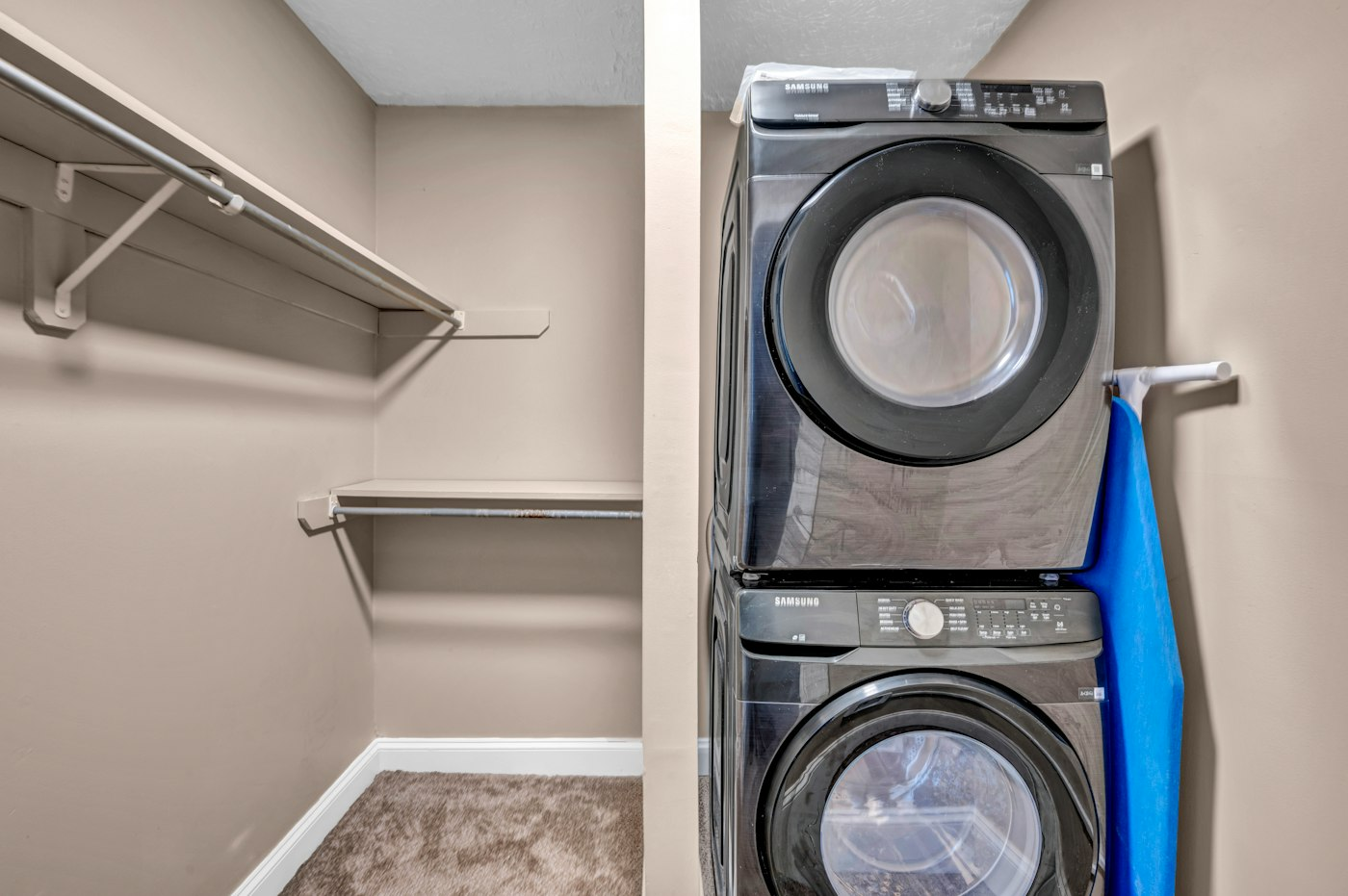
- Washers and dryers, sometimes as an add-on.
When something covered breaks, you contact the warranty company, which sends a contractor. You usually pay a service fee for each visit, and the company covers the rest according to the contract terms.
Limitations to understand
Home warranty contracts vary widely, so read the details carefully. Common limitations include:
- Exclusions for pre-existing conditions or improper maintenance.
- Caps on how much will be paid for a particular repair or replacement.
- Limits on which items are covered, with optional add-ons for others.
- Requirements to use the company’s chosen contractors.
- Waiting periods before coverage begins.
Some states regulate home warranty companies, and your state’s insurance department or consumer protection office may have information about providers.
When a warranty may make sense
A home warranty can provide peace of mind, particularly for buyers who are purchasing a home with older appliances or systems and who want help managing unexpected repair bills in the first year. Sellers sometimes offer one to reassure buyers. For homes with brand-new systems already under manufacturer or builder warranties, a separate warranty may add less value.
Questions to ask before you buy
- Exactly which systems and appliances are covered?
- What is the service fee per visit?
- What are the coverage limits for each item?
- How are claims handled, and how quickly are repairs typically scheduled?
- What are the most common reasons claims are denied?
- Can I renew, and how might the cost change?
A home warranty is not a substitute for a home inspection or for homeowners insurance. It is one more tool to consider. For insurance questions, talk with a licensed insurance professional. To start your home search, reach us through our contact page.
A Worked Example: Which One Pays?
Seeing a few scenarios side by side helps clarify the difference. Every policy and contract is different, so these are general illustrations only.
- A thunderstorm drops a tree branch through the roof. This is the kind of sudden, accidental damage that homeowners insurance is designed for, subject to the policy terms and deductible. A home warranty would generally not cover it.
- The air conditioning stops working in July because the compressor wore out. Insurance generally does not cover equipment that fails from age or normal use. A home warranty that covers HVAC may cover the repair or replacement, subject to its service fee and limits.
- A pipe bursts during a freeze and soaks the floor. Insurance may cover the resulting water damage to the home, depending on the policy and whether reasonable steps were taken to prevent freezing. A warranty might cover repair of the pipe itself if plumbing is included.
- The dishwasher stops draining. This is typically a warranty matter, if the appliance is covered, rather than an insurance claim.
- A guest slips on the front steps and is injured. Liability coverage under homeowners insurance may apply. A warranty would not.
In short, insurance generally responds to sudden events and liability, while a warranty generally responds to systems and appliances that wear out.
Putting It Into Practice: Evaluating a Warranty Offer
If a seller offers a home warranty, or you are considering buying one, take a few steps before you decide.
- Request the sample contract. Read the full terms, not just the brochure.
- Match coverage to the home. Use your inspection report to identify which systems and appliances are older. Check whether those items are covered.
- Look at coverage caps. Note the maximum amount the company will pay for major items like HVAC systems or water heaters.
- Understand the service fee. Know what you will pay each time a contractor comes out.
- Review exclusions. Pay special attention to language about pre-existing conditions, maintenance requirements, and code upgrades.
- Read reviews and complaints. Look at independent sources and your state’s consumer protection resources.
- Keep maintenance records. Many warranty companies may ask for proof that systems were properly maintained.
Common Mistakes With Warranties and Insurance
- Treating a warranty as a substitute for an inspection. An inspection helps you understand a home’s condition before you buy. A warranty only helps after.
- Assuming everything is covered. Read the list of covered items and the exclusions.
- Skipping routine maintenance. Neglected systems may not qualify for coverage under a warranty, and maintenance problems are often excluded from insurance.
- Forgetting renewal terms. A seller-paid warranty usually covers the first year. Decide in advance whether you will renew.
- Not knowing your insurance deductible. Know what you would pay out of pocket before a claim is needed.
Questions Readers Ask
Can I ask the seller to pay for a home warranty?
Yes, buyers sometimes request a seller-paid warranty as part of the offer or during negotiations. Whether a seller agrees depends on the situation.
Do new homes need a home warranty?
New homes typically come with a builder warranty and manufacturer warranties on appliances and systems. A separate warranty may add less value in that case.
Does a home warranty affect my homeowners insurance?
Generally, no. They are separate products, and having one does not change what the other covers. Keep both sets of documents handy so you know whom to call.
Can I choose my own contractor under a warranty?
Many warranty companies require you to use their network. Check the contract for details.
For insurance questions, talk with a licensed insurance professional, and read any warranty contract carefully before you sign.


