
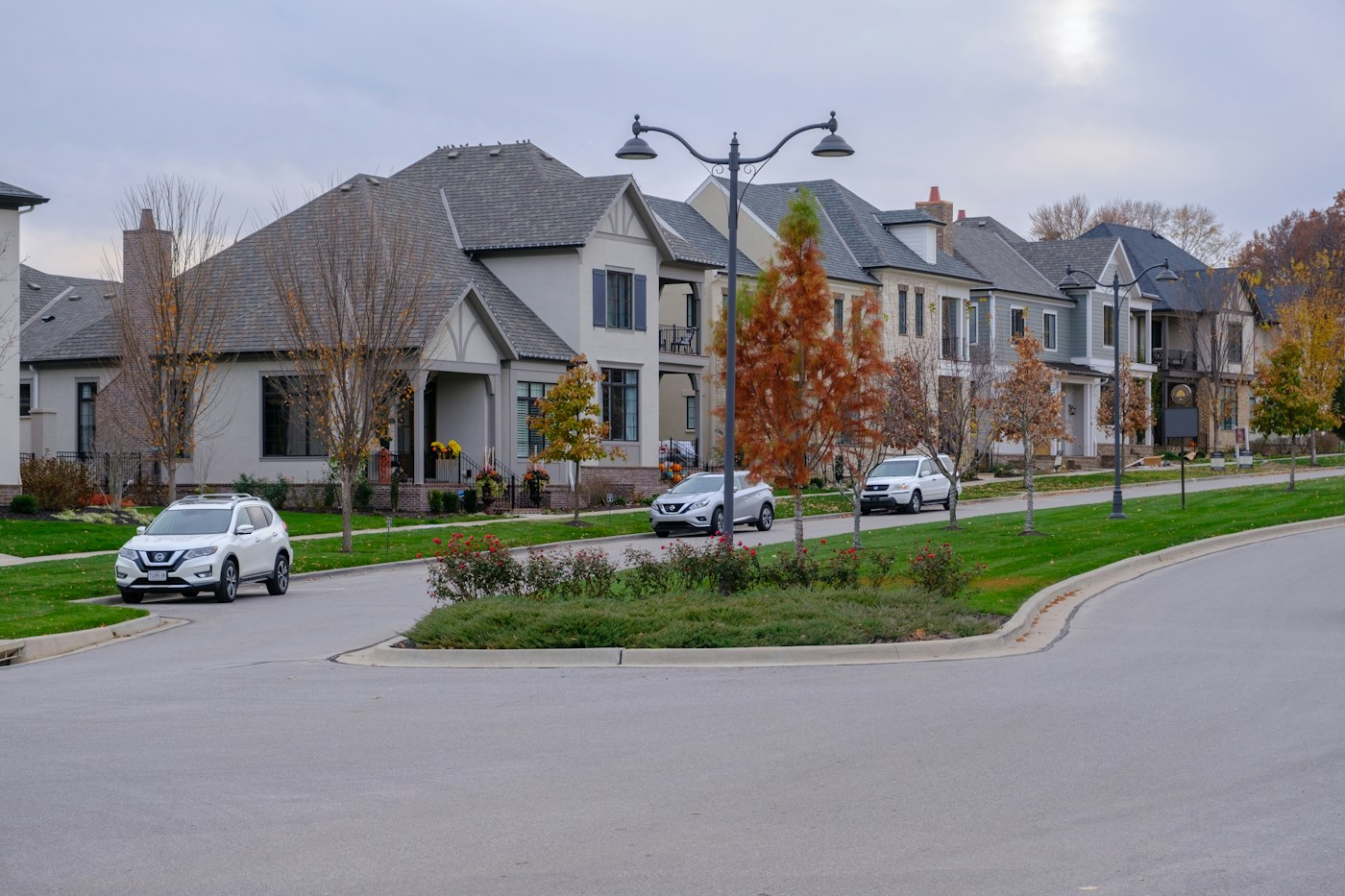
You can renovate a kitchen or replace a roof, but you cannot move a house. Location is one of the most lasting decisions in any purchase. The best way to evaluate an area is to focus on concrete, practical factors and how they fit your daily life.
Start with your routines
Think about the places you go most often: work, the grocery store, the gym, places of worship, a favorite park, the homes of friends and relatives. A home that adds a long drive to each of these will feel different after a few months than it did on a Saturday tour. Map the trips you make regularly and see how each area you are considering compares.
Test the commute for real
Online maps are a good start, but try the drive or transit route at the times you would actually travel. Rush-hour traffic, school-zone slowdowns and train schedules can change the picture. If you work from home, think about the trips you do make, and whether reliable internet service is available at the address. You can check with providers directly.
Look at amenities and services
Consider what is nearby and what matters to you:
- Grocery stores, pharmacies and everyday errands.
- Parks, trails, libraries and recreation centers.
- Hospitals and urgent care.
- Public transportation options.
- Trash pickup, recycling and other municipal services.
If schools are part of your decision, confirm which schools serve a specific address directly with the school district, since attendance boundaries can change and do not always follow neighborhood lines.
Check the practical records
Some of the most useful information comes from public sources. Your city or county website can tell you about property tax rates, zoning and planned road or development projects. FEMA flood maps, available at msc.fema.gov, show whether a property is in a mapped flood zone. If a home is in a homeowners association, review its rules, fees and budget.
For information about crime, the most reliable source is your local police department or city government rather than secondhand impressions.
Visit at different times
An area can feel quite different on a weekday morning, a Friday night and a Sunday afternoon. Drive through at several times. Notice traffic, noise, lighting, parking and how easy it is to get in and out. Walk a few blocks if you can. Pay attention to things that matter to you, like sidewalks, nearby businesses or the sound of a highway.
The right area is the one that fits your routines, budget and priorities. Rely on your own visits and on factual sources rather than labels or reputations. Fair housing laws exist to make sure everyone can choose where to live, and good decisions come from the facts about a place, not assumptions about it.
When you are ready to explore homes in the areas on your list, contact us through our contact page.
Putting It Into Practice: A One-Day Area Test
Once you have a few areas in mind, set aside a day to experience each one the way you would if you already lived there. It does not take long, and it can tell you far more than a map.
- Start with your morning commute. Leave from the area at the time you would usually head to work, and drive the route. Note how long it takes and how it feels.
- Run a real errand. Stop at the nearest grocery store or pharmacy. Is it convenient? Is parking easy?
- Find your everyday places. Locate the gas station, the nearest park, and any places you visit weekly, such as a gym or place of worship.
- Return in the evening. Drive back after work. Notice traffic, street lighting, and noise levels.
- Check connectivity. If you work remotely, test cell signal at the address and confirm internet service availability with providers.
- Write it down. Rate each area on the factors that matter to you, using the same list each time.
Factors That Matter in North Georgia
Bartow County and the surrounding communities offer a wide range of settings, from in-town streets in Cartersville to wooded lots and acreage in more rural parts of the region. A few practical considerations come up often.
- Utilities: Some properties are on public water and sewer, while others rely on private wells and septic systems. Ask which applies to each home.
- Road access: Hilly terrain and long driveways can affect daily driving, especially in wet or icy weather.
- Distance to major routes: Access to Interstate 75 and other highways can shape commutes to Marietta, Atlanta, Rome, or Chattanooga.
- Zoning and land use: Rural areas may allow uses that in-town properties do not, and nearby land could change over time. County planning and zoning offices can explain current rules and any proposed changes.
- Lake and recreation areas: Proximity to Lake Allatoona and other outdoor spots can be a plus, but check flood maps and any restrictions that apply to lakeside properties.
Common Mistakes When Choosing an Area
- Deciding from a single visit. One Saturday afternoon may not show you what weekday traffic or evening noise is like.
- Relying on hearsay. Opinions from others can be outdated or based on assumptions. Use your own observations and factual public sources.
- Overlooking future changes. New roads, commercial development, or construction projects may affect traffic and noise. Check with the city or county about planned projects.
- Ignoring the cost of distance. A lower price farther out may come with higher fuel costs and more time on the road. Factor both into your decision.
- Assuming school assignments. If schools matter to your decision, confirm the specific assignment for an address with the school district.
Questions to Ask Before You Commit to an Area
- Could I see myself making this drive every day for the next several years?
- Are the services I rely on close enough to be convenient?
- How would this location fit if my work or household needs change?
- Are there any planned projects nearby that could change the setting?
- Does the property’s setting, whether in town or rural, match the lifestyle I want?
How we can help
We can share factual information about a home and its surroundings, such as lot details, utility type, distance to highways, and recent sales nearby. Fair housing rules mean we focus on the property and the place, not on who lives there, so your own visits and public records remain the best way to judge whether an area suits your routines.
Answering these questions with facts from your own visits and from public sources keeps the decision focused on what truly matters: how well a place fits the way you want to live.


