
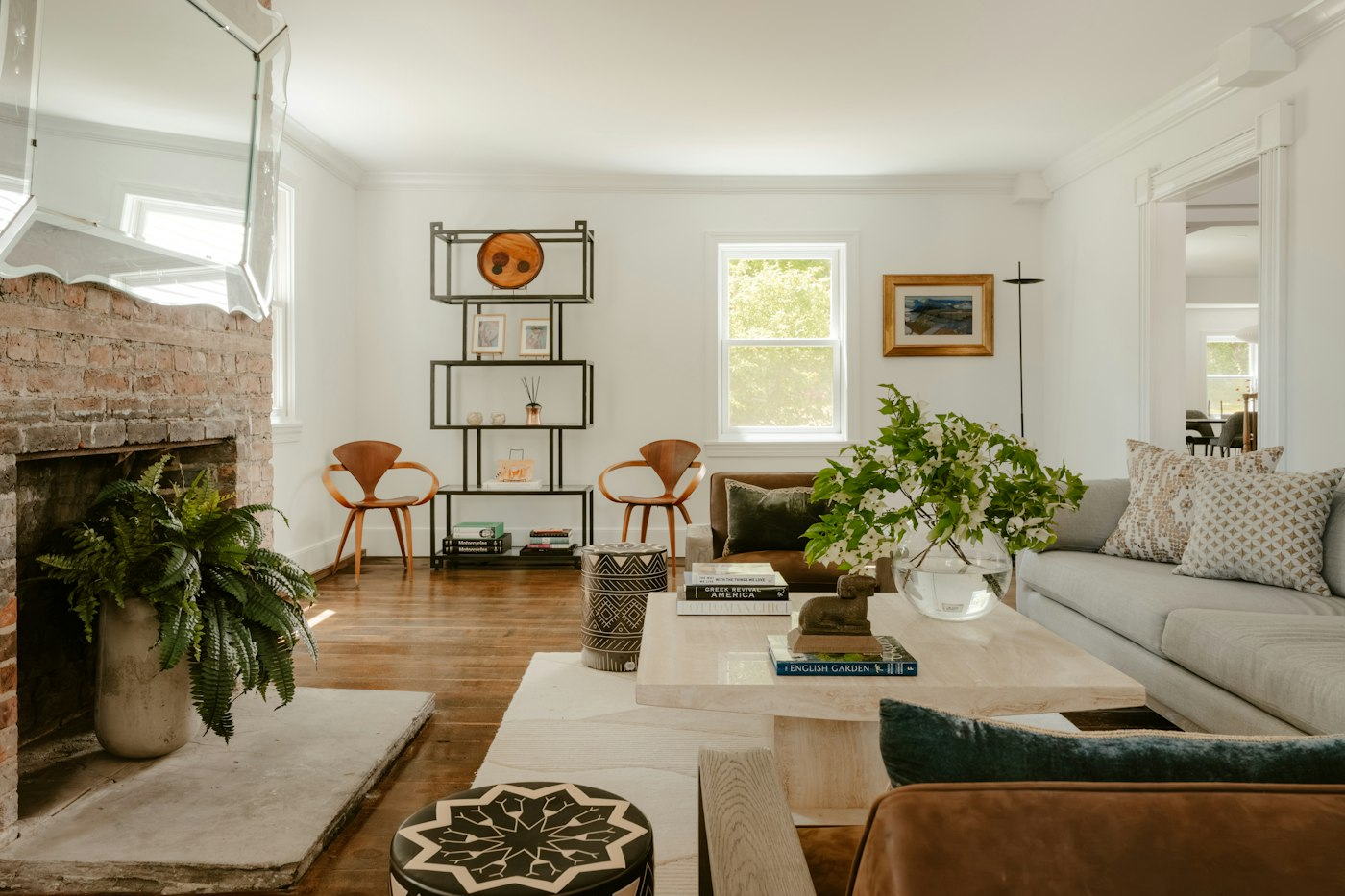
Open houses are a relaxed way to see a home in person without scheduling a private showing. They are also a chance to gather information you cannot get from photos. Going in with a few good questions helps you make the most of the visit.
Questions about the home’s history
The person hosting an open house is often the listing agent or someone from their office, and they represent the seller. They may not be able to answer everything, but many factual questions are fair game:
- How long has the home been on the market?
- Have there been any price changes?
- Is a seller’s disclosure available to review?
- Have there been any major repairs or renovations? Were permits pulled?
- How old are the roof, heating and cooling systems and water heater?
Questions about ongoing costs
The listing price is only part of what a home costs. Asking about ownership costs helps you build a realistic budget:
- What have typical utility costs been?
- Is there a homeowners association? What do the dues cover, and are any special assessments planned?
- What are the annual property taxes? You can often confirm this through the county’s public records.
- Is the home in a flood zone? Flood maps are available from FEMA at msc.fema.gov.
Questions about the process
If you are interested in the home, it helps to know where things stand:
- Have any offers been received?
- Is there a deadline for offers?
- Are there items that will or will not stay with the home, such as appliances or window treatments?
- Does the seller have a preferred closing timeline?
Remember that whatever you share with the host may be passed along to the seller. If you are working with your own agent, let them handle negotiations and avoid discussing your budget or how much you love the house.
Questions to ask yourself while touring
Some of the most important questions are the ones you answer on your own. Does the layout work for how you live? Is there enough storage? How is the natural light? What can you hear from inside, such as traffic or nearby activity? Open closets and cabinets, run a faucet, and look at the ceilings for stains. Step outside and walk the yard.
If you can, come back at a different time of day or drive by on a weekday evening to see how the area feels at other hours.
After the open house
Take notes and photos if the host allows it, and jot down your impressions while they are fresh. If the home makes your short list, the next steps are a private showing and a closer look at the disclosures. When you are ready to talk about a home you have seen, contact us through our contact page.
Going Deeper: Planning an Open House Weekend
Open houses often cluster on weekends, and it is easy to try to see too many in one afternoon. A little planning turns a busy day into a productive one.
- Pick your route. Group open houses by area so you are not crisscrossing between Cartersville, Rome, and Canton in the same afternoon. Fewer miles mean more time in each home.
- Read the listings first. Note square footage, lot size, year built, and anything that raises a question. You will walk in with a purpose.
- Bring a printed or digital checklist. Use the same list at every home so your notes are easy to compare later.
- Leave buffer time. Plan a few minutes after each visit to drive the surrounding streets and write down your impressions before the next stop.
- Limit the number. Three or four homes in a day is often plenty. After that, details start to blur.
What to Look at Closely While You Are There
Open houses are often staged and freshly cleaned, which makes them pleasant to visit but can hide small issues. A few quiet checks can tell you more than the décor will.
- Look up. Ceiling stains, especially near bathrooms or below an upstairs room, can suggest past leaks.
- Look down. Notice whether floors feel level and solid, and whether rugs seem placed to cover a particular spot.
- Check under sinks. Look for water stains, warped cabinet bottoms, or new plumbing parts that might hint at a recent repair.
- Find the mechanicals. Glance at the water heater and HVAC unit. Labels often show the manufacture date.
- Notice smells. Strong air fresheners or candles are common at open houses, but a musty odor in a lower level or closet is worth noting.
- Step outside. Look at how the yard slopes and where gutters drain. In North Georgia, drainage around the foundation is especially worth a closer look.
Common Open House Mistakes
- Sharing too much. Comments about your budget, your timeline, or how much you love the home can reach the seller and affect negotiations later.
- Signing in without thinking. Many hosts ask visitors to sign in. If you are working with an agent, mention that so your representation is clear.
- Judging by staging. Furniture and décor leave with the seller. Focus on the layout, light, condition, and location.
- Rushing the exterior. The roof, siding, drainage, and lot matter as much as the kitchen. Give them a few minutes.
- Forgetting to follow up. If a home stands out, act promptly. Ask for a private showing and request the seller’s disclosure so you have time to review it.
Questions Readers Ask
Do I need an agent to go to an open house?
No. Open houses are typically open to the public. If you already have an agent, though, it is helpful to let them know which homes you visited so they can follow up.
Can I take photos during an open house?
It depends on the seller’s wishes. Ask the host before taking photos, and respect the seller’s privacy if they prefer you do not.
Is it okay to open closets and cabinets?
Generally, yes. Opening closets and cabinets to see storage space is a normal part of touring. Be respectful of personal belongings and avoid going through drawers or private items.
How soon should I schedule a private showing?
If the home is a strong fit, sooner is usually better. A private showing gives you more time to look closely, ask questions, and decide whether to make an offer.
Should I bring family members?
If someone will be involved in the decision, it can help to have them along. A second set of eyes often notices details you might miss.
When you find a home worth a closer look, the next steps are a private showing, a review of the disclosures, and a conversation about your offer strategy.


