
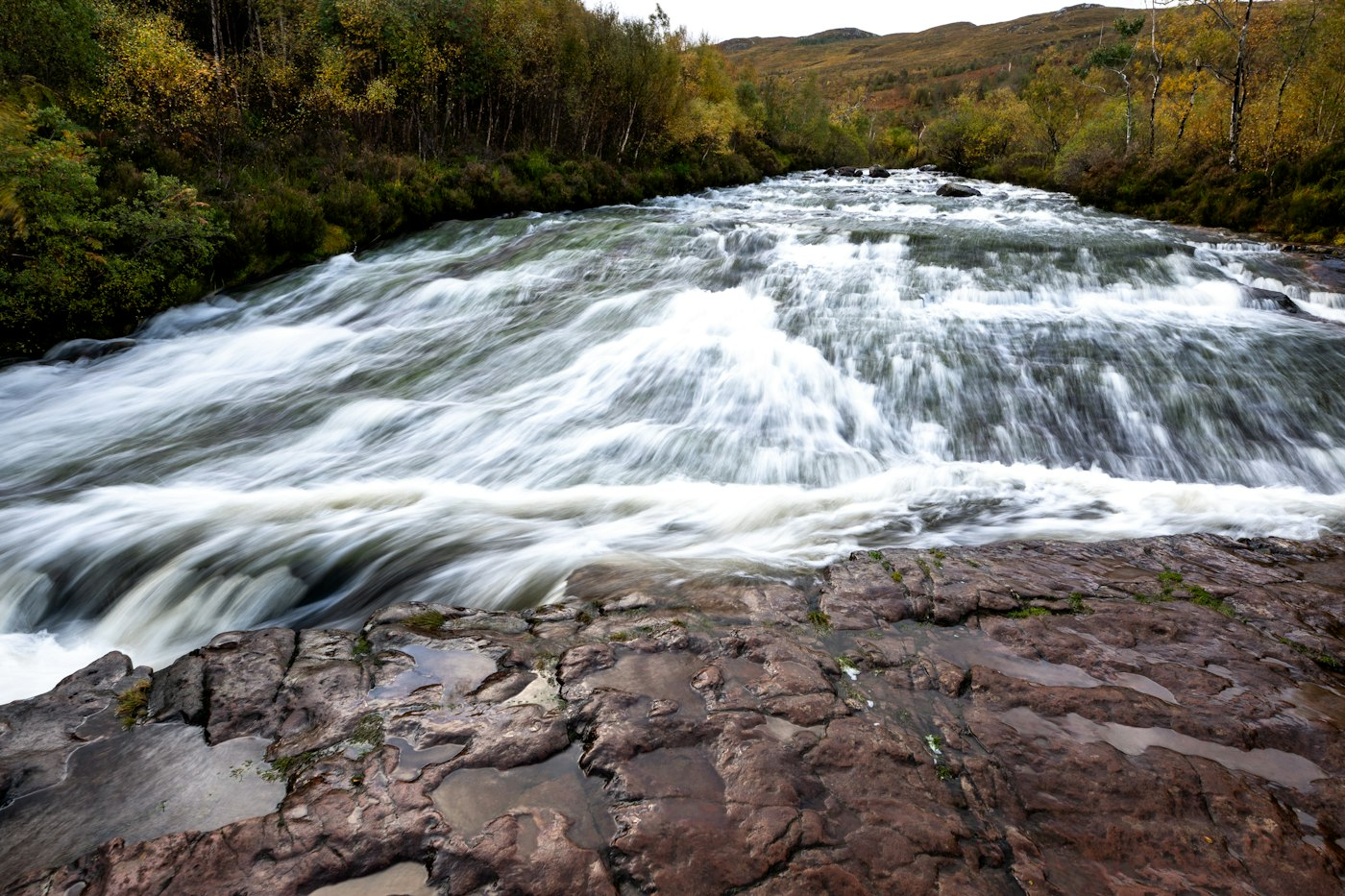
Riverfront homes offer fishing, tubing and the sound of water. They also involve flood zones, erosion and public access questions. Along the Cartecay and the Toccoa, two of the rivers that give this part of North Georgia so much of its character, a home on the water can be a dream come true: mornings with coffee on the deck above a riffle, afternoons wading with a fly rod, summer days floating downstream. Owning one well means understanding both sides of riverfront life. Sherry knows the riverfront inventory and its rules, and here is what to consider before you buy.
The Appeal of Riverfront Living
There is a reason riverfront homes are some of the most sought-after properties in the mountains. Moving water is soothing, and the sound alone is enough to win many buyers over. Rivers bring wildlife, from herons to deer coming down to drink. They offer recreation right outside your door.
What owners enjoy
- Fishing: both rivers are known for their fishing, and many owners enjoy casting from their own bank.
- Tubing and paddling: warm-weather floats are a favorite pastime on mountain rivers.
- The sound of water: a constant, calming backdrop that many owners say they miss when they leave.
- Views: the river corridor often opens up sightlines through the trees.
- Rental appeal: riverfront cabins can be popular with visitors, subject to local rules.
Flood Zones
Rivers rise. Heavy rain in the mountains can raise water levels quickly, and some riverfront properties sit in areas mapped as flood zones on federal flood maps.
What to check
- Flood zone status: find out whether the home, and not just the land, is in a mapped flood hazard area.
- Elevation: how high is the home above the river? An elevation certificate, if one exists, provides useful detail.
- Flood insurance: if the home is in a high-risk flood zone and you have a federally backed mortgage, your lender will generally require flood insurance. Even outside mapped zones, many riverfront owners choose to carry it. Get a quote early.
- Flood history: ask the seller whether the home, outbuildings or driveway have ever flooded, and check the disclosure.
- Access during high water: can you get in and out of the property if the river is up?
Flood insurance costs can vary widely, so factor a real quote into your budget before you commit.
Erosion
Rivers are always moving, and over time they can wear away banks. Erosion can shrink usable land, undermine steps, docks or decks near the water and change the shape of the shoreline.
What to look for
- Undercut or collapsing banks.
- Exposed tree roots along the shore.
- Steps, paths or structures leaning toward the water.
- Bare soil where vegetation has been cleared.
- Signs of past bank repairs or stabilization.
Healthy vegetation along the bank helps hold soil in place. Georgia generally requires a vegetated buffer along streams and rivers, with wider buffers on designated trout waters, so clearing or building close to the bank may be restricted. Before planning any work near the water, check with the county and the appropriate state agency.
Public Access Questions
Owning land along a river does not always mean owning the river, and the rules about who can use the water can be complex. On popular rivers, it is common to see people fishing, paddling or tubing past private property.
Questions to ask
- Where exactly does my property line fall in relation to the river?
- Are there public access points, outfitters or put-ins nearby?
- How busy does the river get on summer weekends?
- Are there any recorded easements for access to the water?
- What rights do I have, and what rights might others have, on this stretch of river?
Because the legal questions around river use can be complicated, ask the closing attorney about your specific property. A survey will help show where your boundaries actually fall.
Other Riverfront Considerations
- Septic placement: septic systems need suitable soil and distance from water. Ask for septic records and consider an inspection.
- Wells: test water quality, as for any mountain home.
- Humidity and moisture: homes near water can face more dampness. Check crawl spaces and basements carefully.
- Insects: water attracts insects in warm months.
- Rental rules: if you plan to rent, verify local regulations and any community restrictions.
- Noise: busy stretches of river can bring voices and activity on summer weekends.
The Cartecay and the Toccoa
The Cartecay flows through the Ellijay area, and the Toccoa runs through the Blue Ridge area, and both draw people for fishing, paddling and tubing. Each river, and each stretch of each river, has its own feel. Some sections are quiet and remote, while others are popular with visitors. Some homes sit high above the water; others are close to the bank. That is why it is important to look at each property on its own terms.
Sherry knows the riverfront inventory and its rules, and can help you compare homes based on what matters to you, whether that is a quiet bank for fishing, an easy launch for paddling or a high, dry setting with a view.
What to Do Next
- Decide how you want to use the river: fishing, tubing, paddling or simply listening.
- Ask for flood zone information and get a flood insurance quote early.
- Walk the bank and look for signs of erosion.
- Order a survey to confirm your boundaries along the water.
- Talk with Sherry about riverfront homes on the Cartecay and Toccoa that fit your plans.


